Recurring leaks, low water pressure, aging pipes, and repeated plumbing repairs can disrupt tenants, employees, and daily operations. Positive Plumbing provides commercial repiping services throughout Orange County for offices, apartment communities, retail properties, HOAs, and other commercial buildings.
Licensed & Insured • Commercial Repiping Solutions • Serving Orange County
Recurring leaks, low water pressure, aging pipes, and repeated plumbing repairs can disrupt tenants, employees, and daily operations. Positive Plumbing provides commercial repiping services throughout Orange County for offices, apartment communities, retail properties, HOAs, and other commercial buildings.
Licensed & Insured • Whole-Home Water Filtration • Reverse Osmosis Systems • Serving All of Orange County


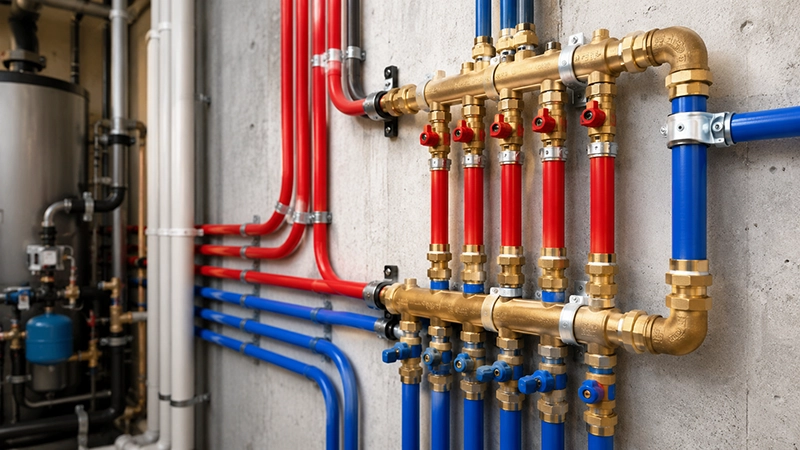
Commercial repiping is the process of replacing aging, damaged, or unreliable water-supply and distribution piping within a commercial, multi-unit, or association-managed property. Depending on the building and the condition of its plumbing system, the project may involve branch lines, vertical risers, shared plumbing lines, or other portions of the property’s water-distribution infrastructure.
Unlike an isolated pipe repair, commercial repiping addresses a broader section of the plumbing system when deterioration is recurring or more widespread. A professional property evaluation can help determine whether targeted repairs are still practical or whether replacing larger portions of the system may provide a more dependable long-term solution.
Commercial and multi-unit properties often require more planning than a typical residential repiping project. Plumbing lines may serve several tenant spaces, units, floors, restrooms, kitchens, or common areas. Building occupancy, access limitations, water demand, operating schedules, and planned shutoff windows can all affect how the work is evaluated and organized.
A properly planned commercial repipe may help improve plumbing reliability, support long-term maintenance planning, and reduce exposure to recurring leaks and unexpected water interruptions. The recommended scope should always be based on the condition, configuration, and operational needs of the specific property.
Water-supply lines distribute potable water throughout the property. Repiping may involve replacing aging or deteriorated main distribution lines or other water-supply piping included within the approved project scope.
Branch lines carry water from larger distribution lines to individual fixtures, tenant spaces, units, kitchens, restrooms, or other areas. Their condition and accessibility can influence both the recommended scope and installation plan.
In multi-story properties, vertical risers carry water between floors and building levels. Replacing these lines may require careful access planning and coordination with occupants, tenants, or property management.
Commercial and multi-unit properties may contain plumbing lines that serve multiple tenants, units, or common areas. Work involving shared infrastructure requires a clear understanding of how each section of the system affects the rest of the property.
Commercial repiping may require scheduled access to units, suites, ceilings, walls, utility areas, or other parts of the property. Planned water shutoffs and access coordination help property representatives prepare occupants and reduce avoidable disruption.
An isolated leak or localized section of damaged piping may still be appropriate for a targeted repair. Broader commercial repiping may be worth considering when leaks are recurring, deterioration appears in multiple locations, or the repair history suggests that the plumbing system is becoming increasingly unreliable.
The decision should be based on a professional assessment of the property’s pipe materials, condition, layout, maintenance history, accessibility, and current plumbing concerns. Because apparently replacing an entire piping system based on one suspicious drip would be considered poor capital planning.
Commercial piping problems do not always begin with one major failure. Recurring leaks, pressure complaints, water discoloration, and repeated repair calls may indicate that portions of the plumbing system are deteriorating. A professional evaluation can help determine whether the issue is isolated or part of a broader system-wide concern.
Leaks appearing in multiple areas of a commercial or multi-unit property may indicate broader pipe deterioration rather than one isolated failure. Repeated leaks can increase maintenance demands, interrupt operations, and expose the property to additional water damage.
Weak or inconsistent water pressure across tenant suites, units, floors, restrooms, or fixtures may be associated with aging, restricted, or deteriorated piping. Because pressure problems may have several causes, the plumbing system should be professionally evaluated before repiping is recommended.
Brown, yellow, or rusty-looking water may be associated with corrosion inside older plumbing lines. Other plumbing or water-supply conditions can also cause discoloration, so the source should be identified before deciding on pipe replacement.
Frequent repairs to different sections of piping can create unpredictable expenses and repeated disruption for tenants, occupants, and business operations. A growing repair history may indicate that continuing to address individual failures is becoming less practical.
Pipe age alone does not determine whether a property needs repiping. However, the age, material, visible condition, maintenance history, and performance of the system are important factors when evaluating long-term replacement needs.
Pipe failures and emergency shutoffs can affect tenant spaces, inventory, equipment, ceilings, walls, flooring, and normal property operations. Repeated incidents may justify a broader assessment of the plumbing infrastructure and its remaining reliability.
Multiple warning signs may indicate that the property’s piping system needs a broader evaluation. Positive Plumbing can inspect the reported issues and help determine whether targeted repairs or commercial repiping may be appropriate.
Every commercial property has different plumbing demands, access conditions, occupancy requirements, and operating schedules. Commercial repiping should be planned around how the property is used, who depends on the plumbing system, and how the work may affect tenants, employees, customers, or residents.
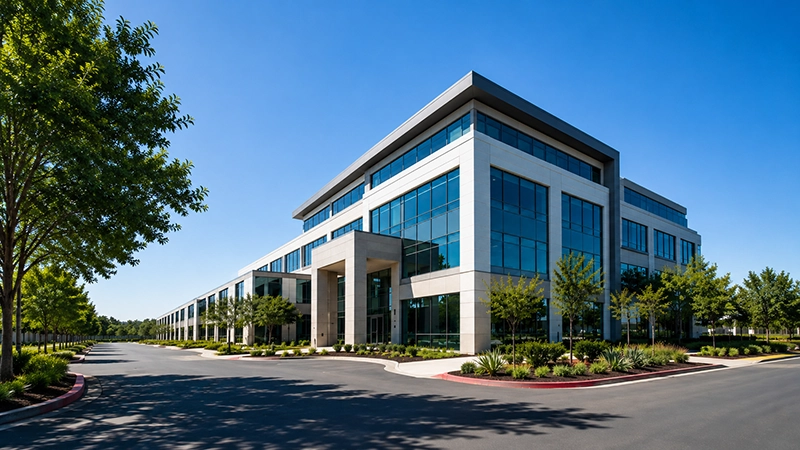
Office buildings may contain shared restrooms, break rooms, tenant suites, utility areas, and plumbing lines serving several floors or businesses. Repiping planning should consider workplace schedules, tenant access, shared infrastructure, and the need to reduce unnecessary interruptions.
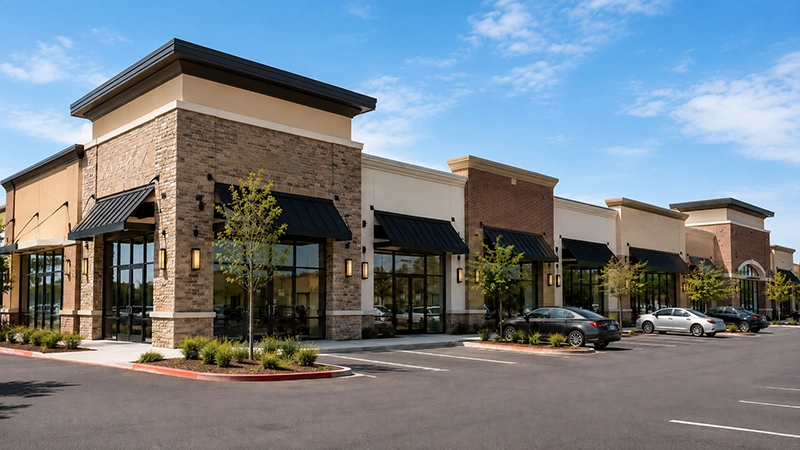
Retail properties may have multiple businesses connected to shared water-distribution systems. A repiping project may require coordination with store operators, property management, customer-facing areas, and individual tenant schedules.
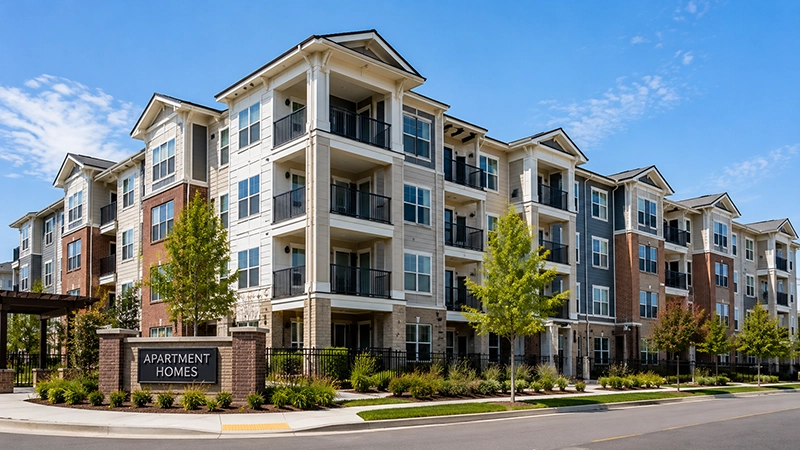
Apartment and multi-unit property repiping may involve occupied units, shared risers, common plumbing lines, and scheduled access to multiple residences. Clear communication and careful water-shutoff planning are especially important when the building remains occupied.
Association-managed properties may include common-area piping, shared infrastructure, condominium buildings, townhome communities, or other plumbing components maintained by the association. The scope should clearly distinguish shared property responsibilities from individually maintained areas.
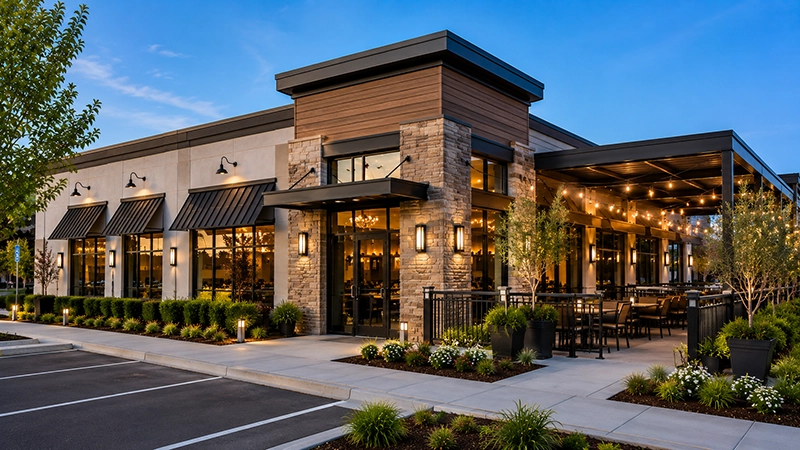
Restaurants and hospitality properties often depend on reliable water service for kitchens, sanitation, restrooms, employee areas, and guest-facing operations. Repiping planning must account for high water demand and the operational impact of access or temporary shutdowns.
Larger facilities may contain employee restrooms, utility areas, break rooms, specialized access points, and longer plumbing runs. The scope and planning requirements depend on the property’s layout, plumbing configuration, occupancy, and operational needs.
Every Property Requires a Site-Specific Evaluation
Building size, occupancy, plumbing layout, pipe materials, access conditions, and operating requirements can all affect the recommended repiping scope. Positive Plumbing evaluates the property before recommending targeted repairs or broader commercial pipe replacement.
Replacing deteriorated plumbing lines can provide more than a short-term repair. When repiping is appropriate for the property, it may support more reliable water service, reduce recurring maintenance demands, and help protect tenants, occupants, operations, and the building itself.
Replacing deteriorated sections of piping may reduce failures associated with the aging system. While repiping cannot eliminate every future plumbing emergency, it can help reduce repeated leaks and unplanned repair calls caused by failing infrastructure.
Reliable water service can help reduce complaints, interruptions, and frustration for tenants, employees, residents, and visitors. Fewer plumbing disruptions may also support stronger property operations and occupant satisfaction.
When corrosion, scale buildup, or restricted piping contributes to poor performance, replacing affected lines may improve water flow and pressure. The cause should be professionally evaluated because pressure problems can also result from other system conditions.
Commercial repiping can shift plumbing spending from repeated reactive repairs toward a planned infrastructure improvement. This may help property owners and managers prepare budgets, coordinate access, and reduce surprise maintenance demands.
Replacing outdated or deteriorated piping allows the property to move toward modern materials selected for its building type, plumbing configuration, accessibility, and code requirements. Material recommendations should always be based on the specific property.
Reducing exposure to recurring leaks may help protect walls, ceilings, flooring, equipment, inventory, finishes, and tenant spaces. A more reliable plumbing system may also reduce the operational impact associated with repeated pipe failures.
Commercial repiping may provide a more practical long-term solution when plumbing failures are widespread, recurring, or creating increasing maintenance demands. A property evaluation is necessary to determine whether broader replacement is appropriate.
Not every plumbing problem requires a full commercial repipe. Isolated leaks or localized damage may still be appropriate for targeted repair. However, when failures become recurring, widespread, or increasingly disruptive, broader pipe replacement may provide a more practical long-term solution.
The decision between continued repairs and commercial repiping should be based on the condition and performance of the plumbing system, not pipe age alone. A professional assessment can help identify whether the property is dealing with one isolated failure or a larger pattern of deterioration.
When pipe failures occur across different units, suites, floors, or common areas, the issue may extend beyond one damaged section.
Frequent service calls and repeated emergency work can make plumbing costs harder to predict and may indicate that the existing system is becoming less reliable.
Recurring complaints involving pressure, water quality, leaks, or interruptions across several areas may point to broader plumbing concerns.
Repeated unplanned shutdowns can disrupt residents, employees, customers, and normal business operations.
Pipe material, visible condition, corrosion, repair history, and accessibility should all be considered when evaluating replacement.
A planned renovation, property improvement, tenant buildout, or infrastructure project may provide an opportunity to address deteriorated piping more strategically.
Pipe age can be an important factor, but it should not be the only reason to recommend repiping. Positive Plumbing evaluates the property’s materials, condition, maintenance history, recurring problem areas, access requirements, and operational needs before recommending targeted repairs or broader replacement.
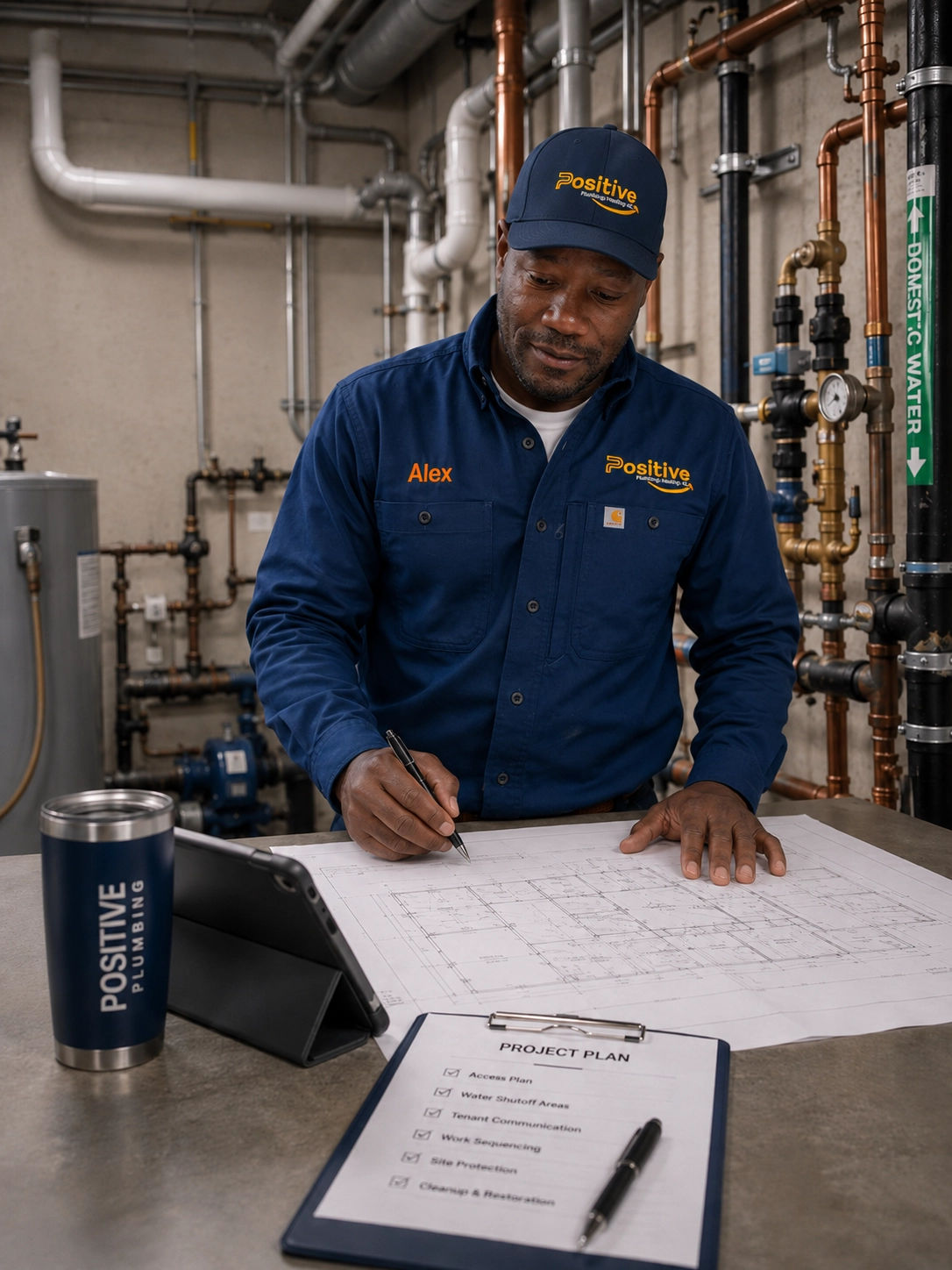
Commercial repiping requires more than replacing pipes. The work may involve occupied units, tenant spaces, customer-facing areas, shared plumbing lines, planned water interruptions, and access to walls, ceilings, utility rooms, or other portions of the property.
Careful planning can help reduce avoidable disruption and establish clear expectations for property representatives, occupants, tenants, and facility personnel throughout the project.
Operating Hours and Building Use
The property’s operating schedule can affect when work areas are accessed and when water interruptions may be planned. Offices, restaurants, retail properties, apartments, and other facilities each have different operational priorities.
Unit, Suite, and Work-Area Access
Repiping may require access to occupied units, tenant suites, restrooms, kitchens, ceilings, walls, mechanical areas, or shared building spaces. Access requirements should be identified before installation begins.
Customer- and Occupant-Facing Areas
Work near entrances, corridors, businesses, resident areas, or shared facilities may require additional coordination. The project plan should consider how occupants and visitors move through the property.
Work-Area Protection
Floors, furnishings, equipment, inventory, walls, ceilings, and nearby finishes may require protection during plumbing access and installation. Protection needs depend on the location and scope of the work.
Project Sequencing
Commercial repiping may be completed in stages when appropriate for the property and available within the approved scope. Sequencing decisions should consider plumbing configuration, access, occupancy, and operational requirements.
Cleanup and Restoration Coordination
Repiping may require openings in walls, ceilings, or other finished surfaces. Cleanup responsibilities and restoration requirements should be discussed during project planning so property representatives understand the complete scope.
Repiping an occupied commercial or multi-unit property requires clear communication and organized access. Property management may need to coordinate with tenants, residents, employees, vendors, or facility personnel before specific work areas can be entered.
Advance scheduling can help confirm access authorization, identify restricted areas, communicate anticipated impacts, and reduce delays caused by unavailable units or tenant spaces. The level of coordination required depends on the property type, occupancy, and project scope.
Portions of a commercial repiping project may require planned water interruptions. The duration and timing of each shutdown depend on the plumbing system, building configuration, installation sequence, and areas included in the project.
Property representatives should understand which portions of the building may be affected, when water service may be interrupted, and how occupants will be notified. The goal is to plan necessary shutdowns carefully and reduce avoidable operational impact whenever possible.
Commercial repiping affects more than the plumbing system. Positive Plumbing works with the designated property representative to review access needs, operating conditions, water-shutoff considerations, and project communication requirements before work begins.
Every commercial repiping project begins with an evaluation of the property, its plumbing system, and the operational conditions that may affect the work. Positive Plumbing develops the recommended scope around the system’s condition, access requirements, building use, and the needs of the designated property representative.
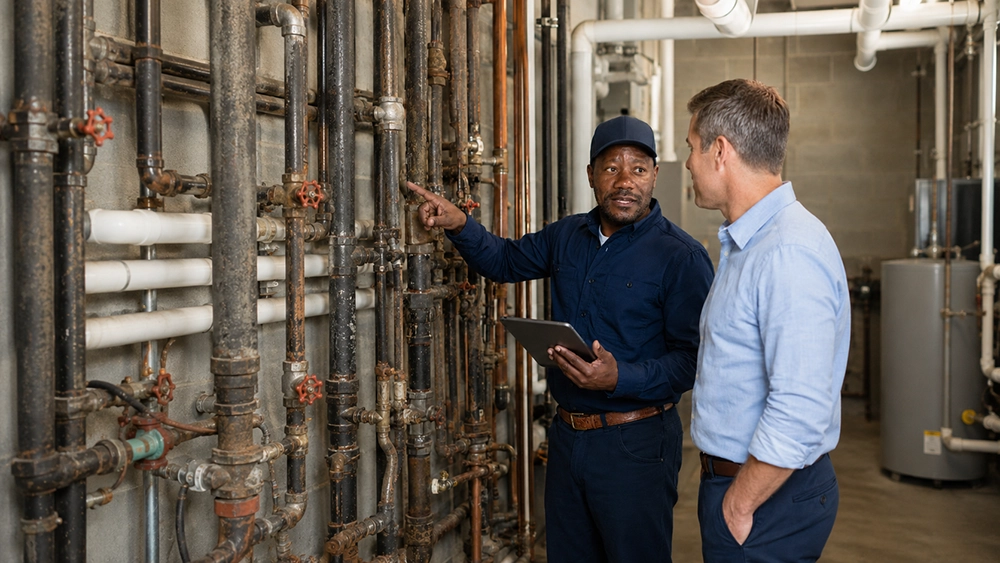
We begin by reviewing the property, reported plumbing concerns, building use, visible piping, maintenance history, and access conditions. This initial evaluation helps establish where problems are occurring and which portions of the plumbing system may require closer assessment.
The plumbing system is evaluated for pipe materials, visible condition, configuration, recurring problem areas, and signs of broader deterioration. This assessment helps determine whether targeted repairs may remain appropriate or whether more extensive commercial pipe replacement should be considered.
Based on the evaluation, the recommended scope can address material considerations, work areas, access requirements, project sequencing, water-shutoff planning, and communication needs. The plan should reflect the property’s plumbing configuration and operational priorities.
Affected piping is removed, disconnected, or abandoned as appropriate within the defined scope, and approved replacement lines are installed. Work sequencing depends on the building layout, access conditions, occupancy, and the areas served by the plumbing system. When appropriate and available, installation may be organized in phases to support access and property operations.
After installation, the affected plumbing system is tested and reviewed for proper operation. Required inspections, when applicable, cleanup, completion items, and final communication are coordinated with the designated property representative.
Every Commercial Property Requires a Site-Specific Scope: Building size, system configuration, pipe condition, occupancy, access, and operational requirements can affect every stage of a commercial repiping project. The final approach should be based on what is discovered during the property evaluation and plumbing-system assessment.
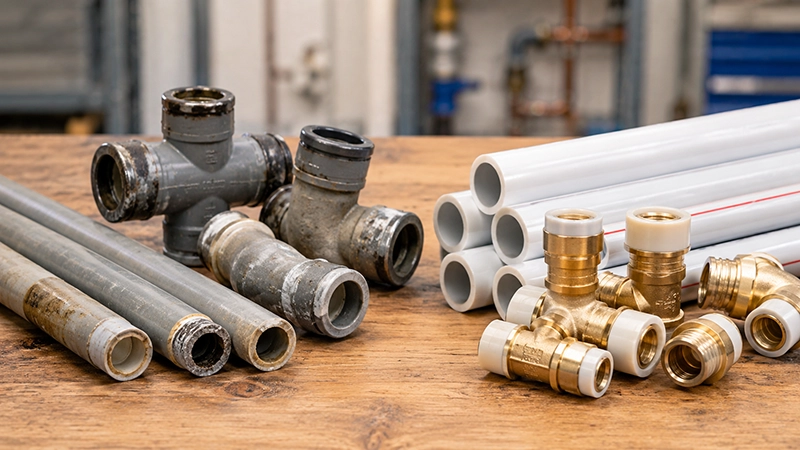
The right pipe material for a commercial repiping project depends on the property, plumbing configuration, building use, accessibility, system demand, local code requirements, and project budget. No single material is appropriate for every commercial or multi-unit property. A professional evaluation can help determine which replacement materials may be suitable for the specific application and whether existing galvanized, polybutylene, copper, or other piping requires broader replacement.
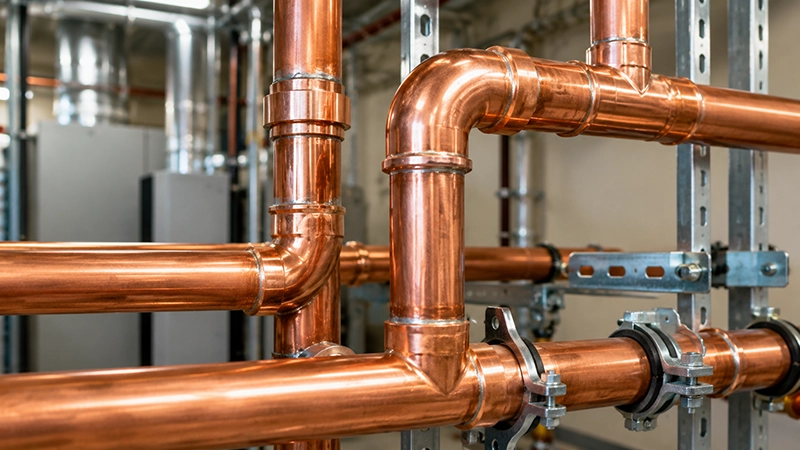
Copper has been widely used in commercial water-distribution systems because of its durability, pressure capacity, and long service history. It may be appropriate for certain exposed, concealed, vertical, or high-demand applications depending on the property and project requirements.
Considerations:
PEX is a flexible piping material that may be appropriate for certain commercial and multi-unit applications where permitted. Its flexibility can reduce the number of fittings required in some installations, but suitability depends on the building, system design, accessibility, and local requirements.
Considerations:
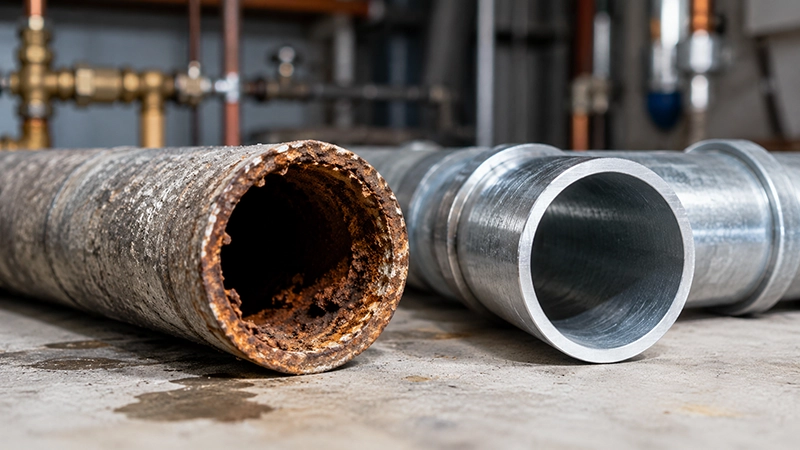
Older commercial and multi-unit properties may contain galvanized steel piping. Over time, internal corrosion and buildup may contribute to restricted flow, discoloration, pressure concerns, or recurring leaks.
Replacement recommendations should be based on the condition, performance, and extent of the existing galvanized system.
Common Concerns:
Some properties may still contain polybutylene piping. When present, the material and its fittings should be evaluated for condition, accessibility, repair history, and potential replacement needs.
A professional inspection can help determine whether isolated repair or broader replacement may be appropriate.
Common Considerations:
Material Recommendations Should Be Property-Specific
Pipe material selection should account for the building’s plumbing layout, system demand, accessibility, occupancy, code requirements, and long-term maintenance needs. Positive Plumbing can evaluate the existing system and review appropriate material options during project planning.
Commercial repiping costs can vary substantially because every property has a different plumbing system, building layout, level of occupancy, access conditions, and operational requirements. A small commercial property with accessible piping will not require the same scope as a multi-story or multi-unit building with shared risers and occupied tenant spaces. Because of these variables, a reliable commercial repiping estimate requires an on-site evaluation of the property and its existing plumbing infrastructure.
Larger buildings, additional floors, and longer plumbing runs may require more materials, labor, access, and project coordination.
Apartment units, office suites, restrooms, kitchens, break rooms, and other fixtures can affect the overall project scope.
The location and layout of branch lines, risers, shared piping, shutoff valves, and service areas can influence installation requirements.
Material selection, pipe sizes, system demand, and fitting requirements can affect both labor and material costs.
Pipes located behind walls, above ceilings, inside utility spaces, beneath concrete, or in restricted areas may require additional access planning.
Working in occupied apartments, offices, retail spaces, restaurants, or shared areas may require more scheduling and communication.
Property rules, operating schedules, and access limitations may affect when specific areas can be entered or temporarily shut down.
Projects that require staged work or coordination between multiple areas may involve additional planning and mobilization.
Permit and inspection requirements may vary by jurisdiction, property type, and project scope.
Openings in walls, ceilings, flooring, or other finished areas may require repair and restoration after piping work is completed.
The number, duration, and complexity of planned water interruptions can affect the installation strategy.
Multi-story, multi-unit, mixed-use, or higher-demand plumbing systems may require more extensive evaluation and planning.
The best way to determine the cost of commercial repiping is through a professional site evaluation.
Commercial repiping projects in Orange County, California may be subject to state building standards, local plumbing requirements, permit procedures, inspections, approved material standards, and property-specific rules.
California’s 2025 Building Standards Code, Title 24, became effective January 1, 2026. The requirements that apply to a commercial repiping project can vary based on the property, proposed scope of work, building use, and the city or county jurisdiction responsible for the location.
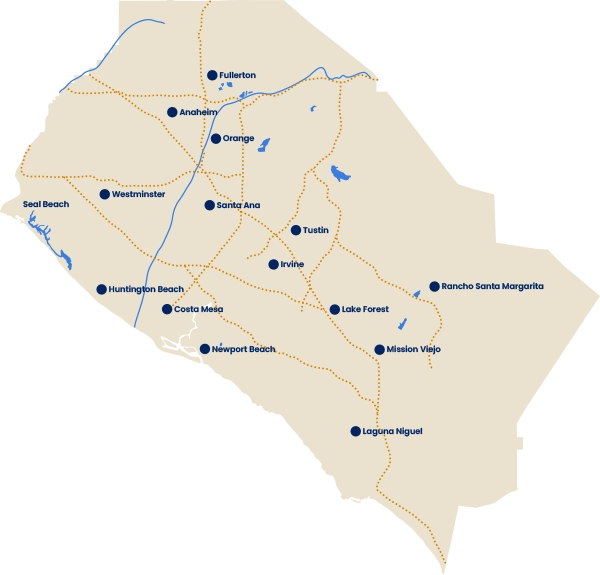
Properties located within incorporated cities, such as Irvine, Anaheim, Orange, Tustin, Costa Mesa, Newport Beach, or Fullerton, generally follow the permitting and inspection procedures established by that city.
For applicable properties in the unincorporated areas of Orange County, OC Development Services provides building-safety, permitting, plan-check, and inspection services. Its Building Plan Check Section also issues ancillary permits, including plumbing permits.
Because requirements differ among jurisdictions, the authority responsible for the property should be identified during the early stages of project planning.
Commercial pipe replacement must account for the building and plumbing standards enforced by the authority responsible for the property.
Depending on the project, these requirements may affect:
The applicable requirements depend on the building, plumbing configuration, and extent of the proposed commercial repipe.
A permit may be required before commercial repiping work begins. The need for a permit can depend on the property location, building use, amount of piping being replaced, proposed system changes, and local building-department procedures.
For properties under the authority of OC Development Services, plumbing systems are among the project types addressed through the building-permit process. Permit application requirements may differ depending on the scope of work.
Permit requirements can be reviewed during project planning for the specific property and proposed scope.
Certain commercial repiping projects may require plans or supporting documentation before approval. The level of review depends on the jurisdiction and complexity of the work.
Requested documentation may include:
Property owners and managers may also establish their own documentation and vendor procedures.
Permitted commercial repiping projects may require one or more inspections at specific stages. Inspection timing may affect system testing, project sequencing, access to piping, wall or ceiling closure, and final completion.
OC Development Services performs inspections connected with building-permit activities in applicable unincorporated areas of Orange County. Incorporated cities maintain their own inspection processes.
Required inspections should be considered in the project plan before affected piping is concealed or restoration work begins.
Replacement materials should be selected according to the plumbing application, system demand, accessibility, building type, and applicable code requirements.
Copper, PEX, and other approved materials may be considered depending on the specific property. However, no single material is appropriate or permitted for every commercial plumbing application.
Material recommendations should account for:
Commercial properties may have additional procedures established by ownership, property management, facility personnel, an HOA, or another authorized representative.
These procedures may include:
These requirements should be identified early and included in project scheduling and communication.
Repiping may require access to walls, ceilings, utility rooms, corridors, tenant spaces, common areas, or locations near other building systems.
Accessibility requirements, protected exit routes, fire-rated assemblies, and work-area safety considerations may affect how piping is accessed, installed, tested, and restored. The requirements depend on the building and location of the affected plumbing.
Commercial repiping projects may involve additional requirements based on the property’s plumbing system, occupancy, operating conditions, and proposed scope of work.
Other factors may include:
Water-demand and pipe-sizing requirements
Plumbing-system testing
Water-shutoff coordination
Tenant or occupant access
Work-hour restrictions
Protection of equipment, inventory, and finished areas
Wall and ceiling restoration
Project sequencing
Completion documentation
Building-management procedures
These considerations can affect how the project is planned, scheduled, tested, and completed. The applicable requirements should be reviewed during the property evaluation and project-planning process.
Code, permit, and inspection requirements are not identical throughout Orange County. The correct process depends on whether the property is located within an incorporated city or an unincorporated area, along with the building type, plumbing system, and proposed scope of work.
Permit and inspection requirements can be reviewed during project planning based on the property and applicable jurisdiction.
The information on this page is general and should not be interpreted as legal, engineering, permitting, or code-compliance advice. Final requirements should be confirmed with the authority responsible for the specific commercial property.
Every home has different water quality concerns, which is why there is no one-size-fits-all solution. Positive Plumbing, Heating & Air installs a variety of water filtration systems designed to improve water quality, reduce contaminants, and provide cleaner water throughout your home. Our team can help determine which system is best based on your water source, household needs, and water quality goals.
| Consideration | Commercial Repiping | Continued Repairs |
|---|---|---|
| 1. Initial Investment | Usually involves a higher upfront investment because a broader portion of the plumbing system is being replaced as a planned capital improvement. | May involve a lower immediate cost when the problem is isolated, although repeated repair expenses can accumulate over time. |
| 2. Long-Term Maintenance | Replacing deteriorated piping may reduce maintenance demands associated with the old system and make future plumbing expenses more predictable. | Ongoing repairs may remain practical for isolated issues, but maintenance costs can increase when failures continue in different areas. |
| 3. Operational Disruption | Requires a planned project involving access, work sequencing, and possible water interruptions. The disruption is generally organized around a defined scope. | Individual repairs may cause less disruption at one time, but repeated failures can lead to multiple service calls, emergency shutdowns, and unplanned interruptions. |
| 4. Plumbing Reliability | New piping may provide more dependable water distribution where the existing system has widespread deterioration or recurring failures. | The repaired section may perform properly, but surrounding older piping may remain vulnerable if deterioration extends beyond the repaired area. |
| 5. Tenant or Occupant Experience | More reliable plumbing may help reduce recurring leaks, water interruptions, pressure complaints, and repeated access to occupied spaces. | Targeted repairs may solve isolated problems, but recurring failures can continue to affect tenants, employees, residents, customers, and property personnel. |
| 6. Water Pressure and Flow | Repiping may improve water flow and pressure when restricted, corroded, or undersized piping is contributing to the problem. | Pressure or flow may improve when a specific obstruction is repaired, but broader performance issues may continue if other sections remain restricted. |
| 7. Risk of Additional Pipe Failures | Replacing deteriorated sections may reduce exposure to failures associated with the existing piping. It does not eliminate every possible future plumbing problem. | Additional failures may remain possible when aging or deteriorated piping is left in place throughout other portions of the property. |
| 8. Capital Improvement Planning | Can be incorporated into a planned infrastructure budget with a defined scope, access strategy, and project schedule. | Repair expenses may be handled incrementally, but repeated failures can make long-term budgeting and maintenance planning more difficult. |
| 9. Property Protection | Reducing recurring leaks may help protect walls, ceilings, flooring, equipment, inventory, finishes, and occupied spaces from future water damage. | Prompt repairs can limit damage from isolated failures, but ongoing deterioration may continue to expose the property to additional leaks and related losses. |

argeted repairs may remain the most practical option when damage is limited to one area and the surrounding plumbing system is performing reliably. Broader commercial repiping may deserve consideration when:
Pipe age can be an important factor, but it should not be the only reason to recommend repiping. A professional evaluation should consider the pipe materials, visible condition, plumbing configuration, maintenance history, accessibility, affected areas, and operational needs of the property.
Need Help Comparing Repair and Repiping Options? Positive Plumbing can evaluate the reported plumbing concerns and help determine whether a targeted repair or broader commercial repiping scope may be appropriate for the property.
Commercial repiping requires more than replacing old pipes. Property owners and managers need clear evaluations, practical recommendations, organized communication, and a project scope that reflects the building’s plumbing system and operational needs. Positive Plumbing works with commercial property representatives throughout Orange County, California to evaluate plumbing concerns and develop an appropriate path forward.
Commercial plumbing work should be evaluated and completed by qualified professionals who understand water-distribution systems, pipe materials, installation requirements, and the demands of occupied properties.
A commercial repiping recommendation should be based on the condition of the plumbing system, not on one leak or the age of the building alone. Positive Plumbing reviews reported concerns, visible piping, repair history, access conditions, and broader signs of deterioration.
Commercial and multi-unit properties may require coordination with property management, facility teams, tenants, residents, or other authorized representatives. Clear planning helps identify access needs, water-shutoff considerations, work areas, and communication responsibilities.
Replacement materials should be selected according to the building, plumbing application, system demand, accessibility, and applicable requirements. Positive Plumbing can review suitable pipe and fitting options during project planning.
Commercial property representatives need to understand the reported problem, recommended scope, access requirements, and factors that may affect the project. Clear communication helps reduce uncertainty and supports better planning from evaluation through completion.
Positive Plumbing serves commercial and multi-unit properties throughout Orange County, California. Local service provides familiarity with the region’s cities, property types, and jurisdiction-specific planning considerations.
Every building has different pipe materials, access conditions, occupancy requirements, plumbing demands, and maintenance history. Positive Plumbing evaluates the property before recommending targeted repairs or broader commercial repiping.
Commercial plumbing projects require dependable communication, organized scheduling, professional work areas, and respect for the people using the property. Read verified feedback from customers who have worked with Positive Plumbing.
Alex was great at communicating every step of the way, making the entire process smooth and stress-free. He arrived right on time and did an extremely professional job. He made sure everything was working perfectly before leaving.
Alex from Positive Plumbing was prompt, professional, and very courteous. He replaced the main water valve, helping prevent substantial expenses down the road. I can recommend him wholeheartedly.
Alex arrived early, looked professional, and provided helpful advice about which repairs were necessary and which were not. He worked tirelessly, triple-checked everything, and completed the work properly.
⭐ 4.9 out of 5 stars from 150+ verified homeowners on Google
Positive Plumbing provides commercial repiping evaluations and plumbing services for qualifying commercial, multi-unit, and association-managed properties throughout Orange County, California.
Service availability depends on the property location, building type, plumbing concerns, access conditions, and proposed scope of work. A property evaluation helps determine whether Positive Plumbing is the right fit for the project.
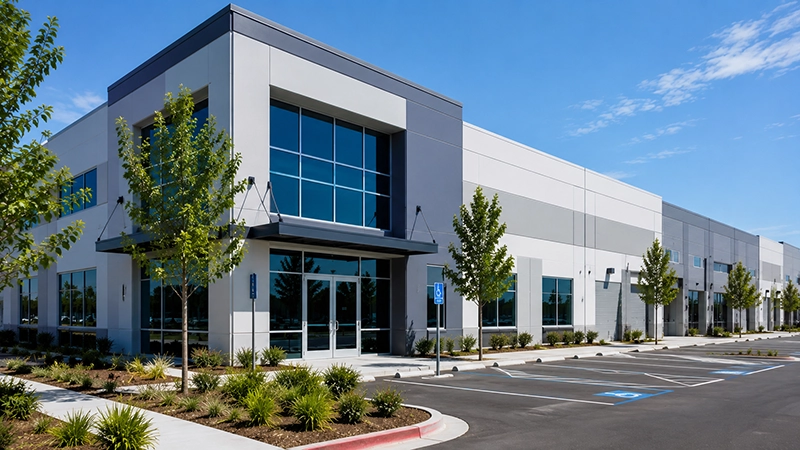
Orange County includes a wide range of commercial environments, from office and retail properties to apartment communities, HOA-managed buildings, restaurants, hospitality properties, warehouses, and light industrial facilities.
The plumbing configuration, occupancy, water demand, access requirements, and operating conditions of each property can affect the recommended repiping scope and project planning.
Commercial project availability and scope should be confirmed for each property. Positive Plumbing can review the location, reported plumbing concerns, building use, and access conditions before scheduling a site evaluation.
Commercial repiping may be appropriate when aging or deteriorated plumbing systems create recurring leaks, repeated repairs, water-pressure concerns, or increasing disruption. The decision should be based on the condition of the property’s plumbing infrastructure and the long-term needs of the building.
A commercial plumbing evaluation can help determine whether targeted repairs or broader pipe replacement may be the more practical long-term approach.
Commercial repiping decisions often involve questions about building occupancy, project timing, pipe materials, cost, water pressure, permits, and the difference between continued repairs and broader replacement. These answers provide general guidance. The final recommendation depends on the property’s plumbing system, condition, accessibility, and operational requirements.
Commercial repiping is the replacement of aging, damaged, or unreliable water-supply and distribution piping within a commercial, multi-unit, or association-managed property. Depending on the building and plumbing system, the work may involve branch lines, vertical risers, shared water lines, or other portions of the property’s plumbing infrastructure.
Recurring leaks, repeated repairs, pressure complaints, discolored water, aging pipe materials, and unplanned water shutoffs may indicate a broader plumbing problem. However, these signs do not automatically mean the entire property needs repiping.
A professional evaluation can help determine whether the issue is isolated or whether deterioration affects a larger portion of the plumbing system.
Commercial repiping may be possible in an occupied building, depending on the property, plumbing configuration, access conditions, and project scope. Occupied properties typically require careful planning for tenant or resident access, work areas, communication, and temporary water interruptions.
The feasibility and project approach should be reviewed during the property evaluation.
The project duration depends on the building size, number of units or suites, plumbing-system configuration, accessibility, pipe material, occupancy, inspection requirements, and restoration needs.
A small accessible property may require substantially less time than a multi-story or multi-unit building with shared piping and occupied spaces. A realistic schedule can only be developed after evaluating the property.
Commercial repiping evaluations may be appropriate for office buildings, retail centers, apartments, multi-unit properties, HOA-managed communities, restaurants, hospitality properties, warehouses, and light industrial facilities.
Service availability and project suitability should be confirmed for the specific property.
Repiping may improve water flow and pressure when corrosion, internal buildup, restricted piping, or deteriorated lines are contributing to the problem.
However, pressure issues may also result from valves, regulators, fixture problems, supply conditions, pipe sizing, or other factors. The cause should be identified before recommending pipe replacement.
Yes. Whole-house water filtration systems are installed where water enters the home, helping provide filtered water to faucets, showers, appliances, and fixtures throughout the property.
Disruption may be reduced through advance planning, clear communication, organized access, work-area protection, project sequencing, and planned water-shutoff windows.
The most appropriate approach depends on the property’s operating hours, occupancy, plumbing configuration, and project scope. No commercial plumbing project comes with a magic “nobody notices anything” setting, tragically.
Repiping is not automatically better for every property. Targeted repairs may remain appropriate when damage is isolated and the surrounding plumbing system is still performing reliably.
Broader repiping may be worth considering when leaks are recurring, failures affect multiple areas, repair expenses continue increasing, or the existing piping shows widespread deterioration.
Commercial repiping pricing depends on factors such as building size, number of floors or units, pipe material, plumbing-system configuration, accessibility, occupancy, water demand, project sequencing, permits, inspections, and finish restoration.
The best way to determine the cost of commercial repiping is through a professional site evaluation.
Permits and inspections may be required depending on the property location, Orange County jurisdiction, building type, and scope of work.
Properties within incorporated cities generally follow that city’s procedures, while applicable properties in unincorporated Orange County may fall under county requirements. Permit and inspection needs should be reviewed during project planning.
Copper, PEX where appropriate and permitted, and other approved materials may be considered for commercial repiping.
The right material depends on the building type, plumbing application, system demand, pipe sizing, accessibility, code requirements, and project budget. No single material is appropriate for every commercial property.
PEX may be permitted in certain commercial and multi-unit plumbing applications, depending on the building type, system design, installation location, local code requirements, and authority having jurisdiction.
It is not appropriate or approved for every commercial application. Positive Plumbing can evaluate the property and review whether PEX, copper, or another approved material may be suitable for the proposed repiping scope.
This question is worth adding because it directly supports the Pipe Material Options for Commercial Repiping section and reflects real search intent.
Contact Positive Plumbing by phone or submit a service request through the website. Provide basic information about the property, reported plumbing concerns, location, building use, and the areas affected.
The team can then review the request and discuss the appropriate next step for evaluating the commercial plumbing system.
Recurring leaks, aging piping, water-pressure concerns, repeated repairs, and unplanned water interruptions may indicate that your commercial property needs a broader plumbing-system evaluation.
Positive Plumbing works with commercial property owners, property managers, apartment operators, HOA representatives, and facility managers throughout Orange County, California to assess plumbing concerns and help determine whether targeted repairs or commercial repiping may be appropriate.
A professional property evaluation can help clarify the condition of the existing piping, the areas affected, access requirements, material considerations, and the appropriate next step for improving long-term plumbing reliability.
Tell us about the property, the plumbing concerns, and the areas affected. Our team will review your request and discuss the appropriate next step.