
Positive Plumbing provides professional drain cleaning in Orange County for slow, clogged, and backed-up drains in homes and businesses. Our technicians inspect the problem, identify the likely cause, and recommend the appropriate cleaning method with clear, honest guidance.
Residential & Commercial Service • Professional Equipment • Clear Recommendations
Positive Plumbing provides professional drain cleaning in Orange County for slow, clogged, and backed-up drains in homes and businesses. Our technicians inspect the problem, identify the likely cause, and recommend the appropriate cleaning method with clear, honest guidance.
Residential & Commercial Service • Professional Equipment • Clear Recommendations


A slow or clogged drain can be caused by grease, hair, soap residue, food waste, mineral buildup, foreign objects, or debris deeper inside the drain line. The correct solution depends on where the blockage is located, how severe it is, whether the problem keeps returning, and whether one or several fixtures are affected.
Positive Plumbing evaluates the drain before recommending service, because blindly attacking every clog with the same machine is not exactly the pinnacle of professional plumbing.
Our technicians examine the affected fixture, visible plumbing, and related drainage symptoms to help determine whether the blockage is isolated, located deeper in a branch line, or connected to a larger main-drain problem.
We use professional drain-cleaning tools designed to reach and clear blockages that plungers and basic consumer products may not fully remove. The equipment selected depends on the type, location, and condition of the drain.
Depending on the findings, the recommended service may include mechanical drain snaking, hydro jetting, drain camera inspection, or cleaning accessible traps and drain components. Not every drain needs the most aggressive option.
After evaluating the problem, we explain what we found, which cleaning method is appropriate, and whether additional inspection or repair should be considered. You receive practical recommendations based on the actual condition of your plumbing.
Drain problems often begin with small changes in water flow before developing into a complete blockage or backup. Recognizing the warning signs early can help prevent overflowing fixtures, unpleasant odors, and additional plumbing problems. Contact Positive Plumbing when a drain repeatedly slows down or stops working properly.
Water takes longer than usual to leave a sink, shower, bathtub, or floor drain.
Water remains inside the fixture instead of draining normally, often indicating a partial or complete blockage.
The drain works temporarily after plunging or using a household product, but the problem continues returning.
Bubbling or gurgling noises may indicate trapped air caused by restricted drainage or a deeper blockage.
Persistent sewage, grease, or musty odors may come from accumulated debris, organic material, or plumbing issues inside the drain line.
Water rises into a sink, shower, bathtub, floor drain, or another nearby fixture when plumbing is used.
Several fixtures draining slowly at the same time may indicate a blockage in a shared drain or main line.
A toilet that bubbles or changes water level when another fixture is used may signal a larger drainage problem.
An isolated slow drain may involve buildup close to the fixture. When several drains are affected, the obstruction may be located deeper in the plumbing system. A professional inspection can help determine whether the property needs routine drain cleaning, main drain service, or further sewer-line evaluation.
Drain blockages can develop gradually as everyday materials collect inside the pipe, or they can happen suddenly when an object becomes lodged in the drain. Identifying the likely cause helps determine whether the line needs mechanical cleaning, hydro jetting, fixture service, or further inspection.
Cooking grease, oils, food scraps, coffee grounds, and dishwashing residue can collect along the inside of kitchen drain lines. Over time, this buildup may narrow the pipe and trap additional debris, leading to slow drainage or a complete blockage.
Hair can combine with soap scum, shampoo, shaving products, and body oils to create dense clogs inside bathroom sinks, showers, and bathtub drains. These blockages often develop slowly and may return when only the surface portion is removed.
Wipes, hygiene products, paper towels, toys, jewelry, excessive toilet paper, and other objects can become lodged inside a drain line. Even products labeled “flushable” may not break down quickly enough to move safely through every plumbing system.
Minerals and internal scale can gradually collect along the walls of a drain pipe. As the opening becomes smaller, water moves more slowly and debris becomes easier to trap, especially in older or heavily used plumbing systems.
Recurring clogs or several affected fixtures may point to root intrusion, cracked piping, separated joints, corrosion, or another structural problem. Cleaning may restore flow temporarily, but damaged pipes may require further inspection and repair.
Poor drain slope, incorrect fittings, construction debris, excessive waste, or improperly installed plumbing can contribute to repeated blockages. In these cases, cleaning alone may not provide a lasting solution unless the underlying installation problem is corrected.
The same symptom can have several possible causes, which is why professional evaluation matters. Positive Plumbing can inspect the affected drain, identify the likely source of the restriction, and recommend the most appropriate next step instead of applying the same heroic machine to every pipe in the building.
Every drain problem is different, so the service should begin with an evaluation rather than an automatic recommendation. Positive Plumbing follows a clear process to identify the likely source of the blockage, select the appropriate cleaning method, restore drainage where possible, and explain what may be needed next.
We begin by asking which fixture is affected, when the problem started, whether the drain is completely blocked or only moving slowly, and whether the issue has happened before. These details help narrow down whether the problem may be close to the fixture or deeper in the plumbing system.
The technician examines the drain opening, visible plumbing, fixture condition, and surrounding area. We also look for related warning signs such as standing water, unpleasant odors, gurgling sounds, leaks, or water backing up into another fixture.
An isolated sink or shower clog may be located near the fixture, while several slow or backed-up drains may indicate a shared branch line or main drain problem. Identifying the likely location helps prevent the highly scientific strategy of using the largest machine available and hoping for enlightenment.
Based on the findings, we may recommend mechanical drain snaking, cable cleaning, hydro jetting, a drain camera inspection, or cleaning accessible traps and drain components. The recommended method depends on the blockage, drain access, pipe condition, and whether the issue is recurring.
The technician performs the recommended cleaning service and tests the affected fixture to evaluate drainage and water flow. When appropriate, nearby fixtures may also be checked to help confirm that the blockage is not affecting a larger portion of the plumbing system.
After the service, we explain what was found, how the drain responded, and whether any additional maintenance, inspection, or repair should be considered. If the problem appears connected to damaged piping or a sewer-line issue, we provide clear recommendations rather than repeatedly cleaning a line that needs a different solution.
Professional drain cleaning begins with the right diagnosis, not a one-size-fits-all solution.
Different blockages require different tools. A shallow hair clog does not need the same service as a grease-coated main drain, and forcing the wrong method can waste time or overlook a larger plumbing issue. After evaluating the drain, Positive Plumbing recommends the cleaning or inspection method that best fits the blockage, access point, and condition of the pipe.
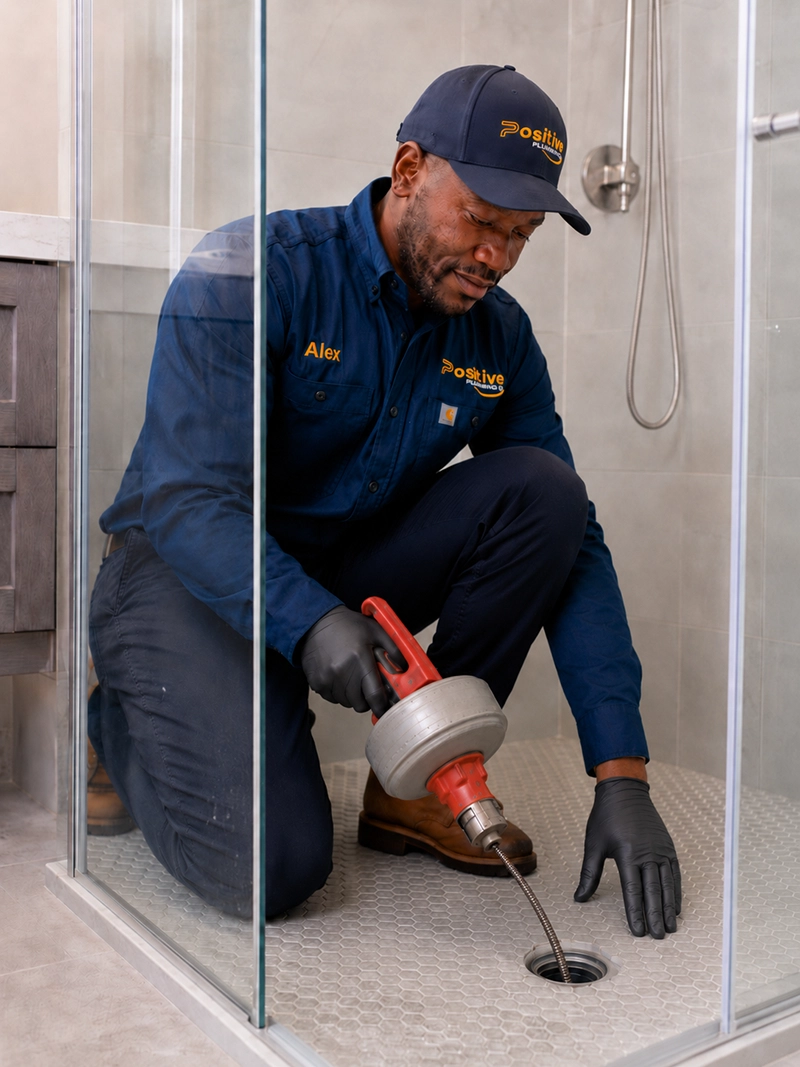
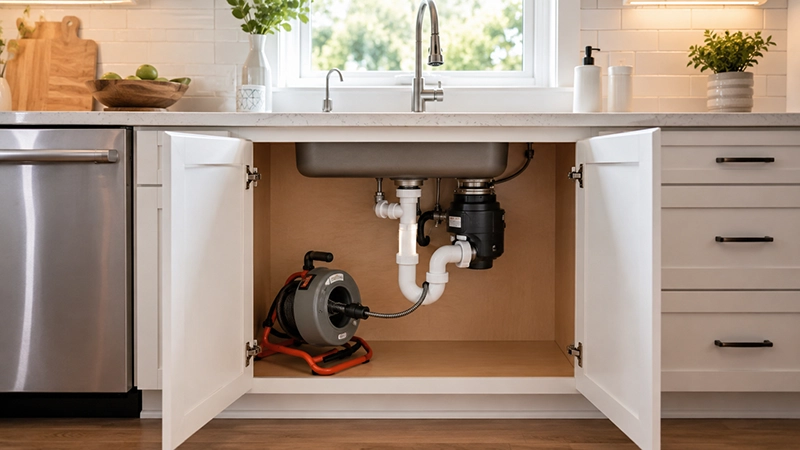
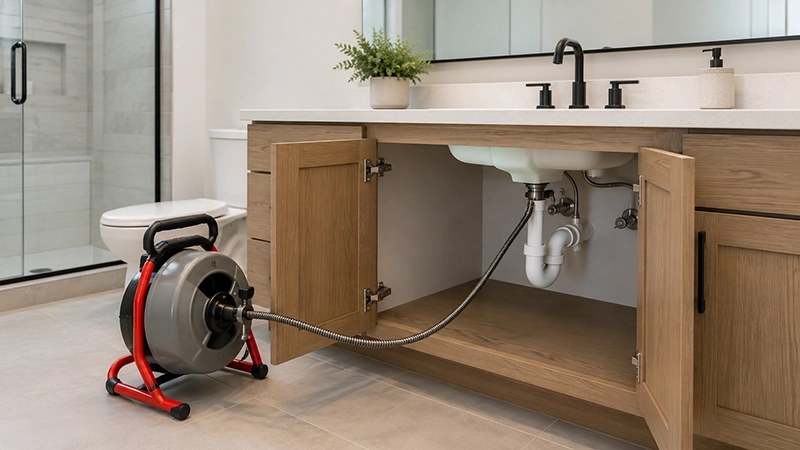
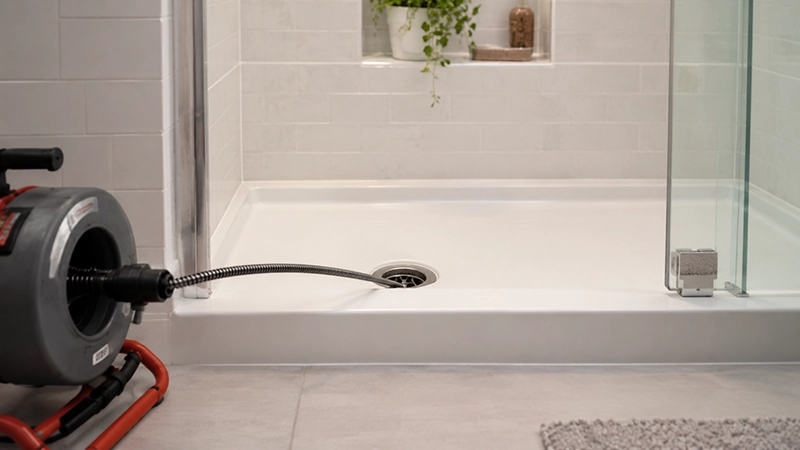
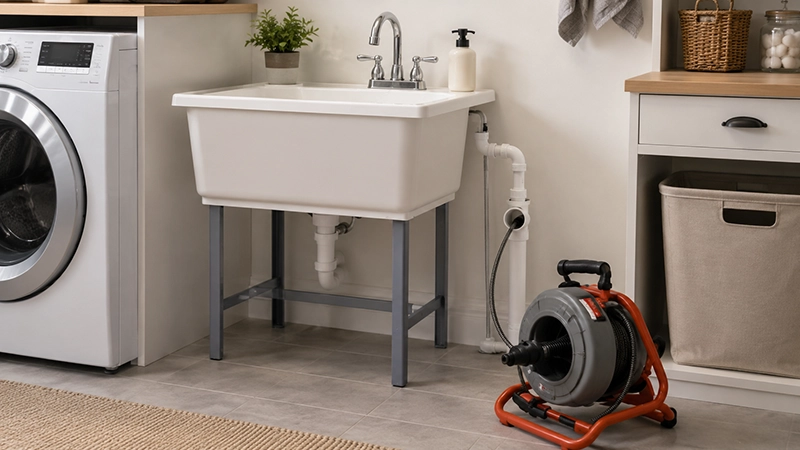
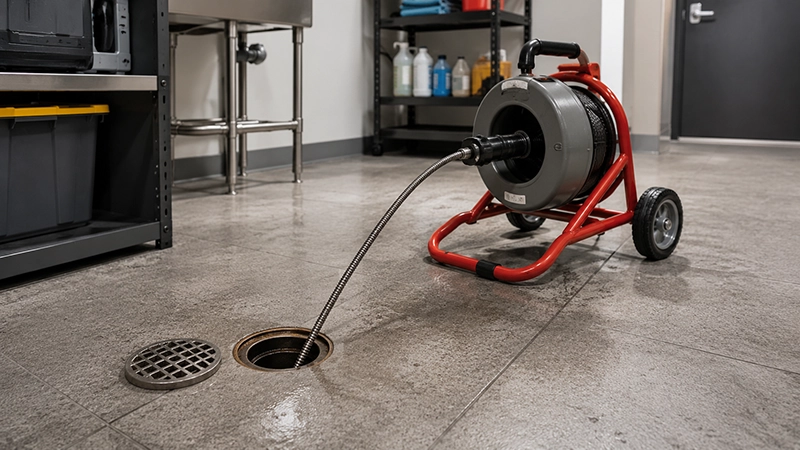
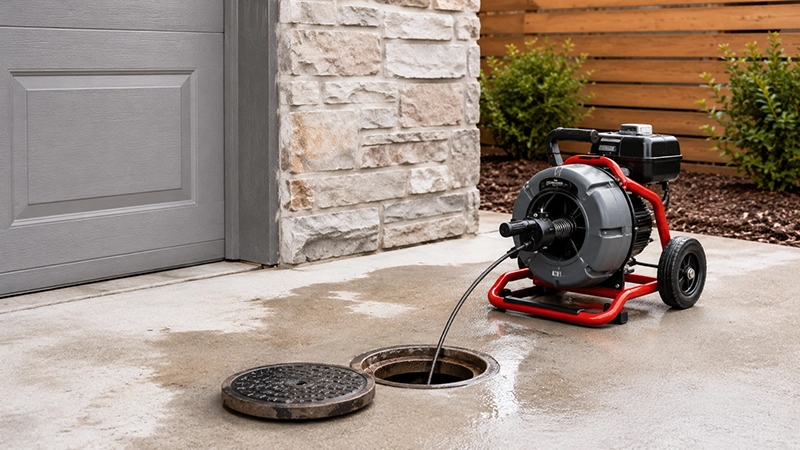
Drain snaking uses a flexible metal cable that travels through the drain line to reach an obstruction. Depending on the type of clog, the technician may use an attachment designed to break through, cut, or retrieve the material blocking the pipe.
This method is commonly used for clogged bathroom sinks, kitchen drains, showers, bathtubs, laundry lines, and other branch drains. It can be effective for hair, soap residue, food debris, and certain foreign objects.
Mechanical cable cleaning is often a practical first option for an isolated clog. However, it may open a pathway through the blockage without removing every layer of grease or buildup from the pipe walls. When clogs repeatedly return, another method or further inspection may be recommended.
Hydro jetting uses controlled high-pressure water to clean the inside of a drain or sewer line. Specialized nozzles direct water through the pipe to help remove grease, sludge, soap residue, mineral scale, and accumulated debris.
This method may be recommended for heavily contaminated lines, recurring grease blockages, commercial kitchen drains, or pipes with substantial buildup along the interior walls. Unlike basic snaking, hydro jetting is intended to clean a broader portion of the pipe rather than simply creating an opening through the obstruction.
Before hydro jetting, the technician should consider the pipe’s material, age, condition, and accessibility. Pipes with cracks, severe corrosion, weak joints, or structural damage may require a different approach. Hydro jetting is useful, but it is not the universal plumbing hammer some websites make it sound like.
A drain camera inspection uses a small waterproof camera attached to a flexible cable to examine accessible sections of the drain or sewer line. The camera may help identify the location and condition of recurring blockages that cannot be fully evaluated from the fixture alone.
A camera inspection may reveal:
Camera inspections are especially useful when the same drain repeatedly clogs, several fixtures are affected, or cleaning provides only temporary relief. The findings can help determine whether additional cleaning, repair, or sewer-line service should be considered.
Not every blockage is located deep inside the plumbing system. Some clogs form inside a sink trap, drain stopper, pop-up assembly, shower strainer, or another accessible fixture component.
In these situations, the technician may remove and clean the affected component, clear trapped debris, and inspect the surrounding connections. This approach is often appropriate for bathroom sinks, kitchen sinks, and other fixtures where hair, soap residue, food particles, or small objects collect close to the drain opening.
Cleaning the accessible components may restore proper drainage without using larger equipment. The technician should still test the fixture afterward to confirm that the restriction is not located farther inside the branch line.
The correct drain-cleaning method depends on the type of blockage, its location, the condition of the pipe, and whether the problem is isolated or recurring. Positive Plumbing evaluates these factors before recommending service, helping customers avoid unnecessary treatments and repeated temporary fixes.
Drain clogs can develop in different fixtures for different reasons. A kitchen sink usually faces grease and food buildup, while a shower drain is more likely to collect hair and soap residue. Positive Plumbing provides targeted drain cleaning for the affected fixture or drain line, using the method that best fits the problem instead of pretending every clog is the same creature wearing a different hat.
Kitchen drains commonly become restricted by cooking grease, oils, food particles, coffee grounds, soap residue, and debris from dishwashing. As buildup collects along the pipe walls, drainage may slow down and unpleasant odors may develop.
Professional kitchen drain cleaning can help remove the blockage, restore water flow, and determine whether the problem is limited to the sink or located deeper in the branch line.
Bathroom sink drains often collect hair, soap scum, toothpaste, shaving residue, cosmetics, and small objects around the stopper or inside the trap. These materials may create slow drainage that gradually develops into a complete clog.
Depending on where the blockage is located, service may involve cleaning the stopper or trap, using a mechanical cable, or inspecting the branch drain.
Hair, soap residue, body oils, shampoo, and mineral buildup can collect inside shower and bathtub drains. Common warning signs include standing water, slow drainage, unpleasant odors, and clogs that return shortly after basic cleaning.
Positive Plumbing can evaluate the drain and recommend mechanical cleaning or another appropriate method based on the location and severity of the restriction.
Laundry drains and standpipes may become clogged by lint, detergent residue, fabric fibers, dirt, and debris carried from clothing. A restricted laundry drain may overflow when the washing machine discharges water, creating a risk of water damage around the appliance.
Professional cleaning can help clear the line and determine whether the problem involves the standpipe, trap, branch drain, or a larger shared drain.
Floor drains are commonly found in garages, laundry rooms, utility spaces, commercial kitchens, restrooms, and mechanical areas. Dirt, grease, sediment, hair, and debris can collect inside these drains, especially when they are used infrequently or exposed to heavy activity.
Cleaning the floor drain can help restore flow and reduce the risk of standing water or overflow during plumbing use.
When several fixtures are slow or backing up at the same time, the obstruction may be located in a shared main drain rather than an individual fixture. Warning signs may include toilet bubbling, water rising in a shower, or backups from floor drains when another fixture is used.
Main drain cleaning may require mechanical cable equipment, hydro jetting, or a camera inspection. If the line is damaged, additional sewer-line evaluation may be necessary.
Whether the problem affects one fixture or several areas of the property, the first step is identifying where the restriction is located. Positive Plumbing evaluates the symptoms, recommends the appropriate service, and explains whether routine drain cleaning or a deeper plumbing inspection is needed.
Drain problems affect every type of property, but the causes, access requirements, and service approach can vary considerably. A clogged bathroom sink in a home is not handled the same way as a heavily used restaurant floor drain or a recurring blockage in a multifamily building. Positive Plumbing provides drain cleaning for both residential and commercial properties throughout Orange County, with recommendations based on the plumbing system, property use, and severity of the problem.
Residential drains commonly become restricted by hair, soap residue, grease, food waste, lint, mineral buildup, and everyday household debris. We provide drain cleaning for:
Our technicians evaluate whether the blockage is isolated to one fixture or connected to a shared branch or main drain. Depending on the findings, service may include fixture cleaning, mechanical drain snaking, hydro jetting, or a camera inspection.
The goal is not merely to make the water disappear for twenty minutes and declare civilization restored. The goal is to identify the likely source of the restriction and recommend the right next step.
Commercial drains often experience heavier use and may collect larger amounts of grease, food waste, soap, sediment, paper products, and other debris. Positive Plumbing provides commercial drain cleaning for:
Commercial service may require additional planning for access, tenant coordination, operating hours, customer traffic, or areas that cannot remain out of service for long periods. We evaluate the affected drain, discuss scheduling needs, and recommend a cleaning method that helps reduce disruption while addressing the blockage properly.
For properties with repeated grease or buildup problems, routine maintenance or hydro jetting may be considered after the pipe condition and service history are evaluated.
Whether the problem affects a single residential fixture or a heavily used commercial drain system, Positive Plumbing provides clear recommendations and professional service based on the actual condition of the line.
The cost of professional drain cleaning depends on more than whether water is moving slowly or not moving at all. The location of the blockage, the number of affected fixtures, the accessibility of the drain, the condition of the pipe, and the cleaning method required can all influence the final service recommendation.
Positive Plumbing evaluates the problem before recommending a solution so customers understand what the drain may need and why.
A clog close to a sink, shower, or bathtub may be easier to access than a blockage located deeper inside a branch line or main drain.
One slow bathroom sink may indicate an isolated clog. Several slow drains or backups occurring at the same time may point to a larger shared drain or main-line problem.
The cost may vary depending on whether the technician can access the drain through the fixture, a trap, a cleanout, a floor drain, or another service point.
Hair, soap residue, and light debris may require a different approach than heavy grease, mineral scale, roots, or a foreign object lodged inside the pipe.
The recommended method may include: Fixture or trap cleaning, Mechanical drain snaking, Cable cleaning, Hydro jetting, Drain camera inspection. Each method involves different equipment, service time, and preparation.
Older, corroded, cracked, poorly sloped, or damaged pipes may require additional care, inspection, or repair rather than aggressive cleaning.
A clog that repeatedly returns may require more investigation than a one-time blockage. A camera inspection or additional testing may be recommended to identify the underlying cause.
Commercial drains may involve larger plumbing systems, heavier buildup, additional access requirements, business-hour coordination, or high-use fixtures.
When available, urgent service outside regular scheduling may affect the total cost. Only include this factor if Positive Plumbing offers after-hours or emergency drain cleaning.
Some advertised drain-cleaning prices apply only to a basic service under limited conditions. The actual cost may change when the blockage is deeper than expected, access is restricted, several drains are affected, or the line requires a different cleaning method.
A very low promotional price does not always include:
The most useful estimate comes after the drain problem, access point, and likely blockage location have been evaluated. Otherwise, the price is less of an estimate and more of a hopeful number printed in large type.
In many cases, the technician needs to evaluate the drain before confirming the appropriate service and final cost. The same symptom can result from several different problems, and each may require different equipment or access.
Positive Plumbing should explain:
The best way to understand drain-cleaning cost is to identify where the blockage is located and what service the line actually requires. Positive Plumbing provides clear recommendations based on the condition of the drain rather than forcing every problem into one advertised price.
Professional drain cleaning can restore flow when grease, hair, soap residue, debris, or other buildup is restricting the line. However, repeated clogs or backups may indicate that the pipe itself is damaged, poorly installed, or no longer draining correctly. In those situations, cleaning may provide temporary relief without correcting the underlying condition. Pipes, being pipes, rarely heal through optimism.
A drain that becomes blocked again shortly after cleaning may have heavy buildup, root intrusion, pipe damage, or another condition that continues restricting flow.
When toilets, showers, sinks, or floor drains are affected at the same time, the problem may be located in a shared branch drain or main sewer line.
Persistent sewage odors may indicate trapped waste, venting problems, dry traps, damaged piping, or a blockage deeper inside the system.
Gurgling drains or bubbling toilets may occur when air cannot move normally through a restricted or damaged drainage system.
Water backing up into a shower, bathtub, toilet, or floor drain when another fixture is used may indicate a larger shared-line obstruction.
If the same section of plumbing repeatedly needs service, further inspection may be more useful than continuing to clear the same temporary opening.
Tree roots may enter through cracks, loose joints, or damaged sections of underground drain and sewer piping. Cleaning equipment may cut through some roots and restore flow temporarily, but the roots can return unless the damaged entry point is repaired.
A cracked drain line may allow soil, debris, or roots to enter the pipe. Drain cleaning can remove an obstruction, but it cannot seal the crack or restore the pipe’s structural integrity.
Pipe sections can shift and become misaligned, creating an internal edge that catches waste and debris. Repeated cleaning may not prevent new blockages from forming at the damaged joint.
A pipe belly occurs when part of the drain line sinks and creates a low area where water and waste collect. Cleaning may improve flow temporarily, but the sagging section may continue causing recurring problems.
Older metal pipes may become rough, narrowed, weakened, or internally corroded. The damaged interior can trap debris more easily and may eventually require repair or replacement.
Collapsed piping, poor slope, incorrect fittings, or other installation problems can prevent proper drainage. Cleaning equipment cannot correct the pipe’s position, slope, or structural failure.
A drain camera inspection may be recommended when the problem repeatedly returns, multiple fixtures are affected, or the technician suspects a structural issue. The camera may help identify:
A camera inspection does not automatically mean the line needs replacement. It helps provide more information so the next recommendation is based on the condition of the pipe rather than repeated guesswork.
Depending on the findings, Positive Plumbing may recommend:
Drain cleaning remains the correct solution for many common blockages. When the problem continues returning, professional inspection can help determine whether the line needs deeper cleaning, targeted repair, or replacement.
We Recommend Repair Only When the Condition of the Pipe Requires It
Some drain clogs are unavoidable, especially when pipes are damaged or heavily deteriorated. However, everyday habits can reduce the amount of grease, hair, food waste, lint, and debris entering the plumbing system. Preventive maintenance does not guarantee that a drain will never clog again, because plumbing has apparently refused to sign that agreement. It can, however, help reduce common blockages and make recurring problems easier to identify.
Grease, fats, and cooking oil can cool and harden inside pipes, trapping food and debris. Allow grease to cool and dispose of it in a sealed container instead of pouring it into the sink.
Strainers help catch food scraps, hair, soap residue, and debris before they enter the plumbing. Use them in kitchen sinks, bathroom sinks, showers, bathtubs, and utility sinks.
Hair combines with soap residue and body oils to form dense clogs. Remove visible hair from shower and bathtub drains and use a hair-catching screen when possible.
Avoid flushing wipes, paper towels, hygiene products, cotton swabs, dental floss, diapers, medications, cat litter, grease, or food waste. These materials can contribute to clogs and sewer backups.
Run cold water during use, feed food gradually, avoid fibrous or stringy materials, and keep grease out of the drain. Always follow the manufacturer’s instructions.
Lint, detergent residue, dirt, pet hair, and fabric fibers can restrict laundry and utility drains. Watch for slow discharge, standpipe overflow, gurgling, or persistent odors.
Never pour paint, plaster, grout, drywall compound, concrete residue, or similar materials into drains. These products may harden inside pipes and cause severe blockages.
Recurring slow drains, temporary relief after plunging, multiple affected fixtures, backups, odors, or gurgling may indicate buildup or a deeper problem. Schedule professional service before the blockage worsens.
Chemical drain products may not remove the underlying blockage and can remain inside a fully clogged drain. Never mix products, and inform the technician if chemicals were used.
Good drain habits can reduce common clogs, but recurring backups may indicate buildup or structural problems deeper inside the plumbing system. Positive Plumbing can evaluate repeated drainage issues and recommend whether the line needs cleaning, inspection, or repair.
Preventive Habits Today Can Help Reduce Future Drain Problems
Chemical drain cleaners may seem like a quick solution for a slow or clogged drain, but they do not always remove the underlying blockage. A product may dissolve part of the material near the drain opening while leaving grease, hair, scale, or debris deeper inside the pipe.
For a minor, isolated issue, some products may provide temporary relief when used exactly as directed. Persistent, complete, or recurring clogs should be professionally evaluated rather than repeatedly treated with chemicals and optimism.
Chemical drain cleaners may stay near the fixture or only move through a small opening in the clog. If the blockage is deeper in a branch line or main drain, the product may not reach or remove the actual cause of the problem.
Some products may create a narrow pathway through grease, hair, or soap residue without fully cleaning the drain line. Water may begin moving again, but the remaining buildup can quickly catch more debris and cause the clog to return.
When a drain is fully clogged, chemical product may remain trapped in the sink, tub, trap, or pipe. Standing chemical liquid can create safety concerns for anyone using the fixture and for the technician who later services the drain.
Do not combine drain cleaners with bleach, ammonia, vinegar, or other household cleaners. Mixing chemicals may create hazardous fumes, heat, or splashing. Always follow product directions carefully and keep people and pets away from the affected fixture.
Before service begins, let the technician know what product was used, how much was added, and when it was used. Also mention whether other cleaners were mixed in and whether chemical liquid is still standing inside the fixture.
Professional drain cleaning is the better next step when the drain is completely blocked, the clog keeps returning, several fixtures are affected, or chemical products did not work. A professional can determine the safest and most effective solution for the drain.
Chemical drain cleaners may temporarily improve some minor clogs, but they are not a substitute for diagnosing recurring or deeper drainage problems. Professional drain cleaning helps identify the likely location of the blockage and select the right method for the condition of the plumbing.
Persistent Drain Problems Deserve a Professional Evaluation
Drain problems can range from a simple fixture clog to a deeper issue involving a shared drain or sewer line. Understanding the warning signs, service options, and limits of drain cleaning can help homeowners and property managers make better decisions before a minor restriction becomes a larger backup. Because apparently waiting for water to appear where water has no business appearing remains a popular strategy.
The right drain-cleaning solution depends on the type of blockage, where it is located, and the condition of the pipe. Positive Plumbing evaluates the problem and recommends the appropriate next step, whether that involves routine cleaning, further inspection, or a repair.
Positive Plumbing evaluates the drain problem, explains the available options, and recommends service based on the blockage, access point, and condition of the plumbing system. Our approach helps homeowners, property managers, and business owners understand what may be wrong and what should happen next.
Our technicians evaluate slow drains, complete blockages, recurring clogs, and multi-fixture backups. We consider the affected fixtures, blockage location, drain access, pipe condition, and service history before recommending the most appropriate cleaning or inspection method.
We explain the likely cause of the drainage problem, the service being recommended, and what the method is intended to accomplish. Customers receive clear information before work begins and practical guidance about any additional inspection, maintenance, or repair that may be needed.
Positive Plumbing uses professional equipment suited to different types of drain problems. Depending on the findings, service may include mechanical cable cleaning, drain snaking, hydro jetting, fixture or trap cleaning, or a drain camera inspection.
Drain-cleaning work may involve water, debris, equipment, and access around fixtures or cleanouts. Our technicians work carefully around the service area, use appropriate protective measures, and clean the immediate workspace after the service is completed.
Not every drain problem requires hydro jetting, camera inspection, or pipe replacement. We recommend services based on the symptoms, blockage, access, and condition of the line rather than automatically suggesting the most extensive option available.
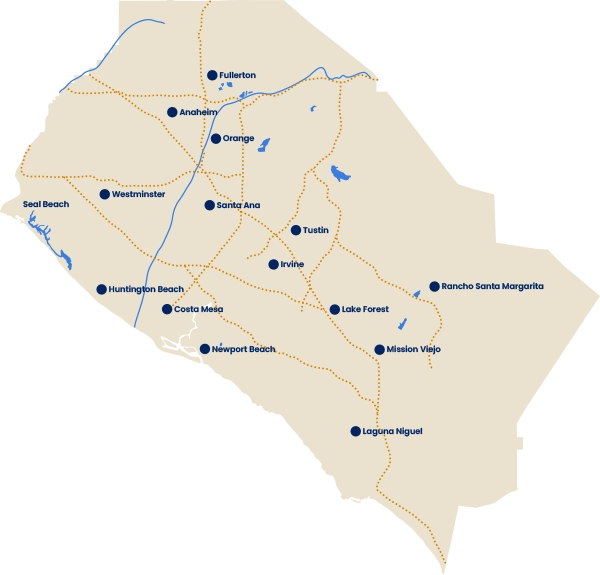
Positive Plumbing provides drain cleaning for homes, rental properties, multifamily buildings, restaurants, offices, retail properties, commercial restrooms, floor drains, and other high-use plumbing systems throughout Orange County.
Whether the problem involves one clogged fixture or a recurring blockage affecting several areas, Positive Plumbing provides professional evaluation, clear communication, and practical recommendations based on the actual condition of the plumbing system.
Clear Answers. Professional Equipment. Practical Recommendations.
Homeowners and property managers rely on Positive Plumbing for professional drain cleaning, clear communication, and practical recommendations. These reviews should highlight real customer experiences involving clogged fixtures, recurring drainage problems, and main drain service.
Our kitchen sink had been draining slowly for weeks and eventually stopped completely. The technician explained what was causing the blockage, cleared the drain, and tested everything before leaving. The work area was kept clean, and the entire process was explained clearly.
Our shower kept backing up even after we tried clearing the drain ourselves. Positive Plumbing found buildup farther inside the line and recommended the appropriate cleaning method. The drain has been working properly, and we appreciated the honest explanation and professional service.
Several drains in our home started backing up at the same time. The technician determined that the issue was in the main drain rather than one individual fixture. He cleared the blockage, checked the affected drains, and explained what warning signs we should watch for in the future.
⭐ 4.9 out of 5 stars from 150+ verified homeowners on Google
Positive Plumbing provides professional drain cleaning for homes, rental properties, multifamily buildings, restaurants, offices, and other commercial properties throughout Orange County.
Whether the problem involves a slow kitchen sink, clogged shower drain, laundry backup, floor drain, or several fixtures draining poorly at the same time, our technicians evaluate the symptoms and recommend the appropriate next step.
Drain problems can vary depending on the property type, plumbing layout, fixture use, and maintenance history. Positive Plumbing provides drain cleaning for:
Depending on the blockage and condition of the line, the recommended service may include:
From individual household drains to high-use commercial plumbing systems, Positive Plumbing provides drain-cleaning service throughout Orange County with clear explanations and practical recommendations.
Homeowners and property managers often have questions about drain-cleaning methods, pricing, recurring clogs, and when a problem may involve the main sewer line. The answers below explain what to expect and when professional service may be the better next step.
Professional drain cleaning may be needed when a drain is completely blocked, repeatedly slows down, produces persistent odors, or backs up shortly after plunging. You should also schedule service when several fixtures are affected, water returns through another drain, or gurgling continues.
An isolated minor clog may be close to the fixture, while recurring or widespread problems may be located deeper in the plumbing system.
Drain-cleaning cost depends on the location and severity of the blockage, drain accessibility, the number of affected fixtures, pipe condition, and the method required.
A simple fixture-side clog may need a different service than a recurring main-drain blockage. Positive Plumbing evaluates the problem before confirming the recommended cleaning method and service cost.
Drain snaking uses a flexible mechanical cable to break through, retrieve, or clear an obstruction. It is commonly used for hair, soap residue, food debris, and many isolated fixture or branch-line clogs.
Hydro jetting uses controlled high-pressure water to remove grease, sludge, scale, and buildup from a broader portion of the pipe. The correct method depends on the blockage and pipe condition.
Yes, but a recurring clog may need more than another basic cleaning. Repeated blockages can be caused by heavy buildup, grease, roots, damaged pipe, poor slope, separated joints, or another structural issue.
A camera inspection or deeper evaluation may be recommended when the same drain continues clogging after service.
When several sinks, toilets, showers, or floor drains back up together, the obstruction may be located in a shared branch drain or main sewer line.
For example, water may rise in a shower when a toilet is flushed or appear in a floor drain when another fixture is used. These symptoms should be professionally evaluated rather than treated as several unrelated clogs.
The effect depends on the product, pipe material, plumbing condition, concentration, and frequency of use. Chemical cleaners may not remove deeper blockages and can remain trapped inside a fully clogged fixture or pipe.
Never mix drain-cleaning chemicals. Tell the technician what was used, how much was added, and whether liquid remains in the fixture before service begins.
Mechanical cleaning or hydro jetting may remove or cut through some root intrusion and temporarily restore flow. However, roots usually enter through cracks, loose joints, or damaged pipe sections.
Cleaning does not repair the point where the roots entered. If roots repeatedly return, camera inspection and sewer-line repair may be recommended.
Service time depends on the location and severity of the blockage, drain access, equipment required, and condition of the pipe.
A simple fixture clog may be completed relatively quickly, while a deeper main-line obstruction, recurring blockage, or camera inspection may take longer. The technician can provide a better expectation after evaluating the drain.
There is no universal schedule for every property. Many residential drains only need professional cleaning when symptoms develop.
Properties with recurring grease, hair, lint, or heavy usage may benefit from preventive maintenance. Restaurants, multifamily buildings, commercial kitchens, and high-use floor drains may require more frequent evaluation based on their service history.
Yes. Positive Plumbing provides drain cleaning for homes, rental properties, multifamily buildings, restaurants, offices, retail properties, commercial restrooms, floor drains, and other high-use plumbing systems throughout Orange County.
Commercial service may involve additional scheduling, access planning, tenant coordination, or steps to reduce business disruption.
Yes. Positive Plumbing services kitchen sinks, bathroom sinks, showers, bathtubs, laundry standpipes, utility drains, floor drains, and main drain lines.
The recommended method depends on the affected fixture, likely blockage material, access point, and whether the problem appears isolated or connected to a larger drain line.
Not every clog requires a camera inspection. It may be recommended when the blockage repeatedly returns, multiple fixtures are affected, root intrusion is suspected, or cleaning provides only temporary relief.
A camera can help identify buildup, cracks, offsets, separated joints, foreign objects, corrosion, or other conditions inside accessible sections of the line.
Stop using the affected fixture and avoid running nearby plumbing if water is backing up. Keep people and pets away from standing wastewater or chemical drain products.
Do not add more chemicals or mix cleaning products. If sewage is entering the property, avoid contact with the water and move belongings away from the affected area where it is safe to do so.
Sewer-line repair may be needed when inspection reveals cracks, collapsed pipe, severe corrosion, separated joints, root-damaged sections, poor slope, or recurring structural problems.
Drain cleaning can remove many obstructions, but it cannot rebuild or realign damaged piping. The repair recommendation should be based on inspection findings rather than the mere existence of a clog.
The right drain-cleaning solution depends on the symptoms, blockage location, access point, and condition of the pipe. Positive Plumbing can evaluate the problem and explain whether routine cleaning, further inspection, or repair is the most appropriate next step.
Slow drains, stubborn clogs, and recurring backups rarely improve by being ignored with impressive determination. Positive Plumbing provides professional drain cleaning for homes and businesses throughout Orange County. Our technicians evaluate the problem, explain the recommended cleaning method, and provide clear guidance if the line needs additional inspection or repair.
Same-Day Drain Cleaning Available Throughout Orange County