


The Problem Reported by the Property Owner
The property owner requested sewer service after noticing that connected plumbing fixtures were draining slowly and wastewater had backed up through a lower drain. The combination of symptoms raised concern about an obstruction farther along the drainage system.
An individual fixture clog generally affects the drain serving that fixture. When several fixtures develop problems together, the restriction may be in a shared drain or the main sewer line. Continued water use can add wastewater faster than the restricted pipe can carry it away.
For this Balboa Peninsula project, the priority was to evaluate the affected drainage system and address the restriction contributing to the sewer backup.
The concerns guiding the service included:
- Slow wastewater drainage from connected fixtures.
- A backup affecting a lower drain.
- A possible obstruction beyond the individual fixture connections.
- The need to identify an accessible sewer cleanout.
- Determining whether sewer line cleaning would restore flow.
The service focused on the shared sewer piping rather than treating each slow drain as a separate problem.

What Our Technician Found
The drainage evaluation indicated a restriction in the sewer line serving the affected fixtures. Water was passing through the system slowly, limiting its ability to handle normal wastewater discharge.
Restricted Sewer Flow
The reported backup and slow drainage were consistent with an obstruction in shared piping. This directed attention to the sewer line carrying wastewater away from the affected plumbing connections.
A partial blockage can cause changing symptoms. A fixture may drain when used alone, while additional water from another fixture causes the system to slow or back up. That pattern makes it important to consider how the connected drains perform together.
Sewer System Evaluation
Our technician reviewed the drainage history and checked accessible plumbing connections and sewer access points. Identifying a suitable cleanout helped establish where the line could be approached for cleaning.
The evaluation also considered whether the symptoms suggested a removable obstruction or a condition needing additional investigation. Accessible piping and the system’s response during service helped guide the next steps.
Potential Sewer Line Obstructions
Waste, paper products, grease buildup, and foreign material can restrict the inside of a sewer pipe. Tree roots and damaged pipe sections can also contribute to blockages, particularly when drainage problems return after cleaning.
The presence of a sewer backup does not establish the cause by itself. Cleaning addresses removable obstructions, while suspected root intrusion or structural damage may justify further inspection.
Sewer Service Recommended
The recommended approach was to clean the affected sewer line and check drainage afterward. This would address the immediate restriction and help assess whether wastewater could move through the line during testing.
If the backup persisted or returned, additional evaluation could help identify an obstruction or pipe condition requiring a different service.
Our Sewer Line Blockage Service Recommendation
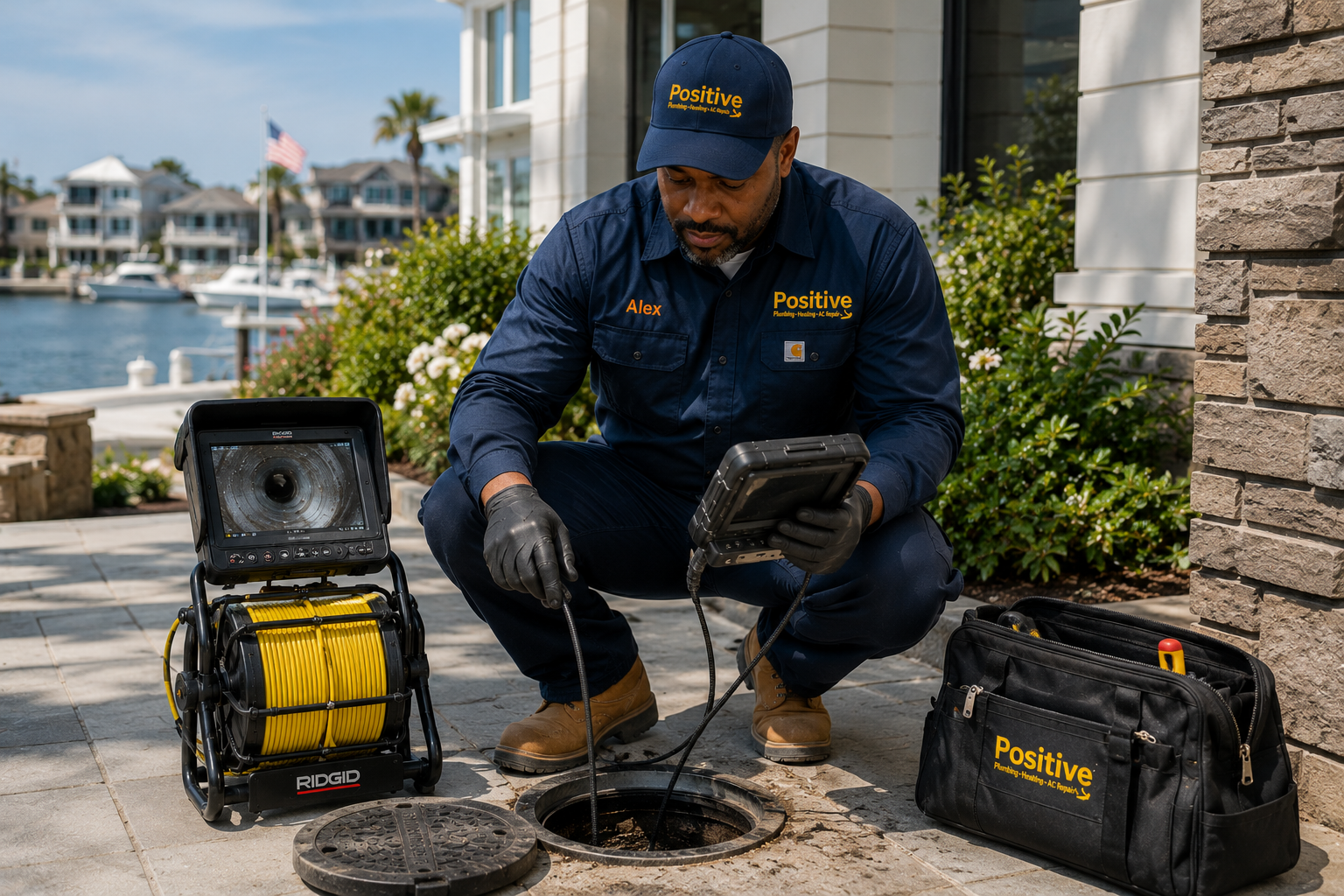
For this Balboa Peninsula project, the service recommendation centered on accessing the affected sewer line, clearing the restriction, and checking flow from the connected fixtures.
The cleaning method should suit the obstruction and the condition of the pipe. Mechanical sewer cleaning uses a cable with an appropriate attachment to work through a blockage. Hydro jetting uses pressurized water to remove certain types of buildup from the pipe interior. These methods serve different purposes, and the evaluation helps determine which approach is appropriate.
A sewer camera inspection may be useful when backups recur, the cause remains unclear, or pipe damage is suspected. Repair recommendations should follow the findings rather than the presence of a blockage alone.
The immediate objective here was to restore drainage through cleaning and assess the line’s response before recommending additional work.
Learn more about cleaning, inspection, and related options on our Newport Beach sewer services page.
How We Completed the Sewer Line Cleaning Service
The service followed a sequence focused on the reported backup, the affected sewer piping, and drainage performance after cleaning.
- Reviewed the backup and drainage history. We discussed which fixtures were affected, when the symptoms began, and whether the property had experienced similar sewer problems. This helped establish how the restriction was affecting plumbing use.
- Checked the affected plumbing connections. We evaluated accessible portions of the drainage system and considered how the affected fixtures connected to the shared sewer line.
- Established access through the sewer cleanout. We identified an accessible entry point and prepared the work area. The cleanout provided a way to approach the restriction within the sewer piping.
- Cleaned the affected sewer line. We worked through the access point to clear the obstruction restricting wastewater flow. The cleaning focused on reopening the drainage path through the affected section.
- Tested drainage from connected fixtures. After cleaning, we ran water through the system and observed how the affected fixtures drained. This helped assess whether the immediate restriction had been relieved.
- Reviewed the result and follow-up considerations. We explained the completed work and discussed symptoms that would warrant another evaluation, including returning slow drains, gurgling, or wastewater backing up.
The closing drainage check provided a practical assessment of how the system performed after sewer line cleaning

The Final Result
Following cleaning, wastewater moved through the affected sewer line during testing, and the connected fixtures drained without the backup observed before service.
The immediate restriction was cleared, allowing the property owner to resume use of the affected plumbing. We reviewed the service and explained what to watch for if drainage problems returned.
The key results included:
- Clearance of the obstruction affecting sewer flow.
- Improved drainage from the connected fixtures.
- No repeat backup during the post-cleaning water test.
- A review of the work with the property owner.
- Guidance on when further sewer evaluation would be appropriate.
The result reflected the line’s performance at the completion of service. Recurring backups would warrant further investigation to determine whether persistent buildup, root intrusion, or a damaged section of pipe was contributing to the problem.

Sewer Line Cleaning Services for Balboa Peninsula and Newport Beach Properties
A sewer backup can disrupt several areas of a property at once. Bathrooms, kitchens, and laundry fixtures may share downstream piping, so a restriction in that line can affect more than the drain where symptoms first appear.
Recognizing the pattern helps when requesting service. A slow sink may involve a local clog. Several slow drains, a toilet that gurgles when another fixture runs, or wastewater rising through a low drain can indicate a problem in shared sewer piping.
Professional sewer line cleaning addresses removable obstructions. When symptoms suggest a recurring or structural problem, an inspection may help determine whether cleaning alone is sufficient.
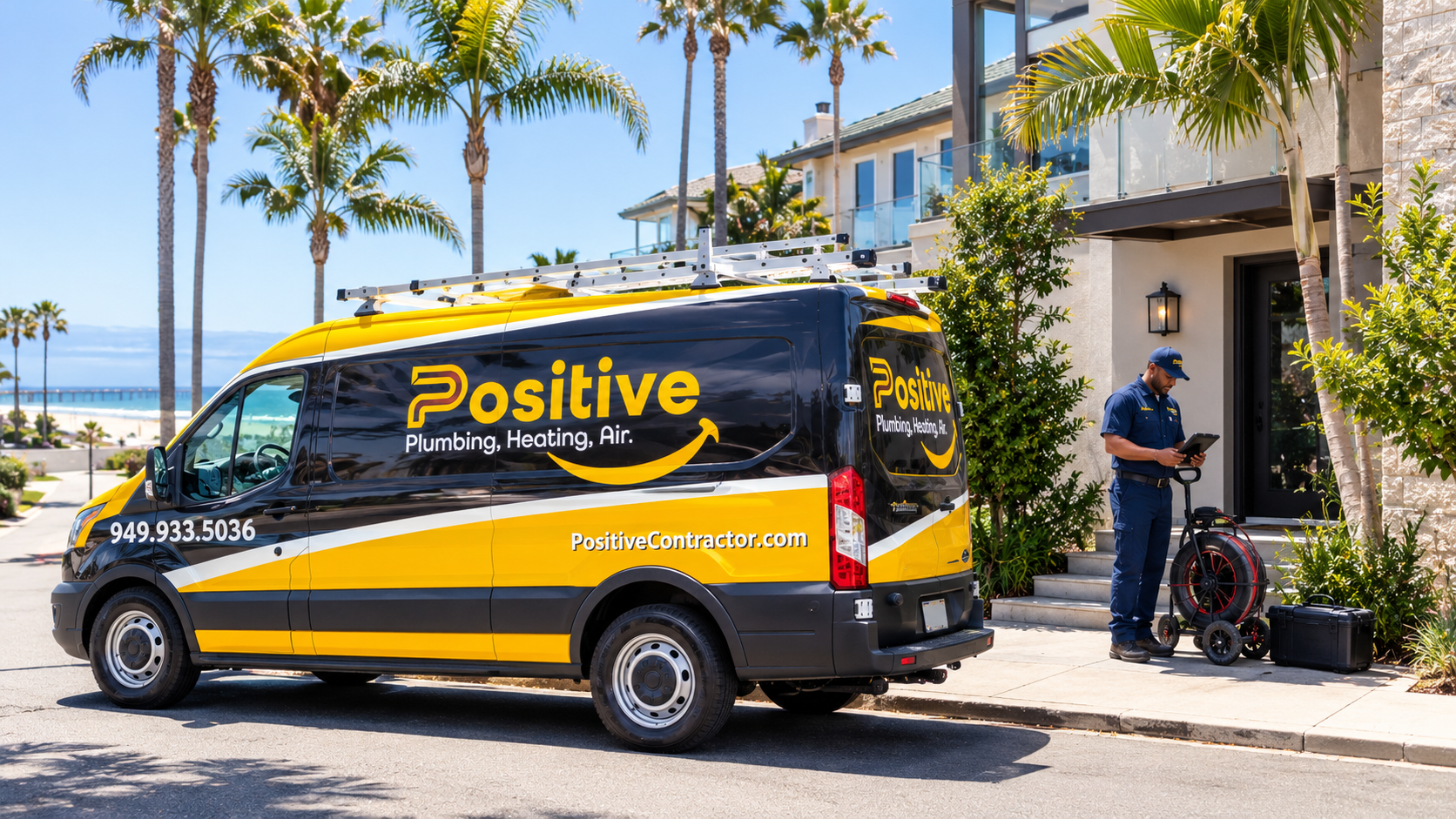
For service in Balboa Peninsula, explore our sewer services in Newport Beach. You can also visit our Newport Beach service area page for additional plumbing, heating, and AC services.
Understanding Sewer Backups After a Line Cleaning
For Balboa Peninsula property owners, understanding how sewer lines connect helps explain why a drainage problem can affect several fixtures. A sink or shower drains into branch piping, which connects to the property’s main sewer line. That private sewer connection carries wastewater toward the public sewer main.
A clogged drain serving one fixture may cause a localized problem. A restriction in the main line can affect toilets, showers, and other plumbing fixtures connected upstream. Identifying that difference helps determine where sewer line cleaning should focus.
How a Sewer Line Backup Can Cause Water Damage
When wastewater cannot pass through a restricted sewer drain, it can rise through a lower plumbing fixture. A shower, bathtub, or floor drain may become the first visible outlet for a sewage backup, even when the obstruction is farther along the sewer pipes.
Overflowing sewer water can reach flooring, baseboards, cabinets, and nearby belongings. Limiting plumbing use when a backup appears helps reduce the amount of wastewater entering the affected line and the potential for additional water damage.
Clearing the obstruction and cleaning up affected surfaces are separate tasks. Sewer cleaning addresses drainage, while contaminated materials and water damage may require professional cleanup.
Why Tree Roots and Pipe Condition Matter
Tree roots can enter sewer lines through cracks or vulnerable joints. Once inside, tree roots may catch paper and waste, contributing to a clogged drain or repeated restriction. Cleaning can address an obstruction, but it does not seal the opening that allowed roots to enter.
When tree roots are suspected, a camera inspection may help assess accessible sections of piping and guide further recommendations. Other conditions, including displaced joints or deteriorated sewer pipes, can also affect the plumbing system’s ability to carry wastewater.
A returning blockage deserves evaluation rather than an assumption that the line simply needs the same cleaning again.
Can Heavy Rainfall Contribute to a Sewage Backup?
Heavy rainfall can place additional demand on sewer systems where stormwater or groundwater enters through defects or improper connections. However, a backup during wet weather does not establish whether the problem is in the property’s private line or the public system.
Tell the plumber whether symptoms occur only during rain, affect multiple fixtures, or return after cleaning. Those observations can help guide the evaluation without assuming the cause.
What to Watch for After Sewer Line Cleaning
Pay attention to drainage during normal plumbing use. Returning gurgling sounds, several slow drains, or wastewater rising through a lower fixture may indicate another restriction.
If sewer water begins backing up, stop using the affected fixtures and arrange service. Prompt attention can help limit further overflow and water damage while the source is evaluated.
For help assessing a clogged drain or recurring sewer backup, explore our sewer services in Newport Beach.

Frequently Asked Questions About This Sewer Cleanout Project
Why did this Balboa Peninsula property need sewer line cleaning?
The property owner reported slow drainage and a sewer backup affecting connected plumbing fixtures. The service focused on clearing a restriction in the shared sewer line and checking wastewater flow afterward.
What is the difference between sewer line cleaning and clearing a clogged drain?
Clearing a clogged drain may involve the pipe serving one sink, shower, or other fixture. Sewer line cleaning addresses shared piping that carries wastewater from multiple fixtures. The location of the obstruction determines which service is needed.
Can a partial sewer blockage cause a backup?
Yes. A partial obstruction reduces the amount of wastewater a pipe can carry. Water may drain slowly during light use but back up when additional fixtures discharge into the same restricted line.
Does sewer line cleaning include hydro jetting?
Not automatically. Hydro jetting is one cleaning method, and its suitability depends on the pipe condition and the type of buildup. Mechanical cleaning may be appropriate for other obstructions. The plumber’s evaluation helps determine the approach.
When should a sewer camera inspection be considered?
A camera inspection may be helpful for recurring sewer backups, unexplained drainage problems, suspected tree roots, or possible pipe damage. It can provide information about accessible sections of the line when conditions allow a useful inspection.
Will cleaning repair a broken sewer pipe?
No. Sewer cleaning removes obstructions but does not repair cracks, displaced joints, or collapsed piping. If damage is identified, the next step is to discuss repair options appropriate to the affected section.
How often should a sewer line be cleaned?
There is no single schedule that suits every property. Cleaning needs depend on the line’s condition, usage, and history of blockages. A property with recurring problems may benefit from an inspection and a maintenance recommendation based on the findings.
What should I do if wastewater backs up into a shower or floor drain?
Limit water use through the affected system and contact a plumber. Note which fixtures are affected and whether the backup occurs when another fixture runs. Those details can help explain the problem when arranging service.
How can I schedule sewer line cleaning in Balboa Peninsula?
Call Positive Plumbing, Heating & AC Repair at (949) 848-3020 to discuss the drainage concern and request service. Visit our Newport Beach sewer services page for more information.
Need Sewer Line Cleaning in Balboa Peninsula?
Slow drains and sewer backups can interrupt everyday plumbing use. Contact Positive Plumbing, Heating & AC Repair to schedule an evaluation in Balboa Peninsula, Newport Beach, and discuss the appropriate service for your sewer line.